Simplifying a complex project management platform for Argentina's largest energy company
INDUSTRY
Oil and gas, Upstream
YEAR
2019-2020
Year
2019-2020
PLATFORM
Web (internal tool)
Year
Web (internal tool)

Problem
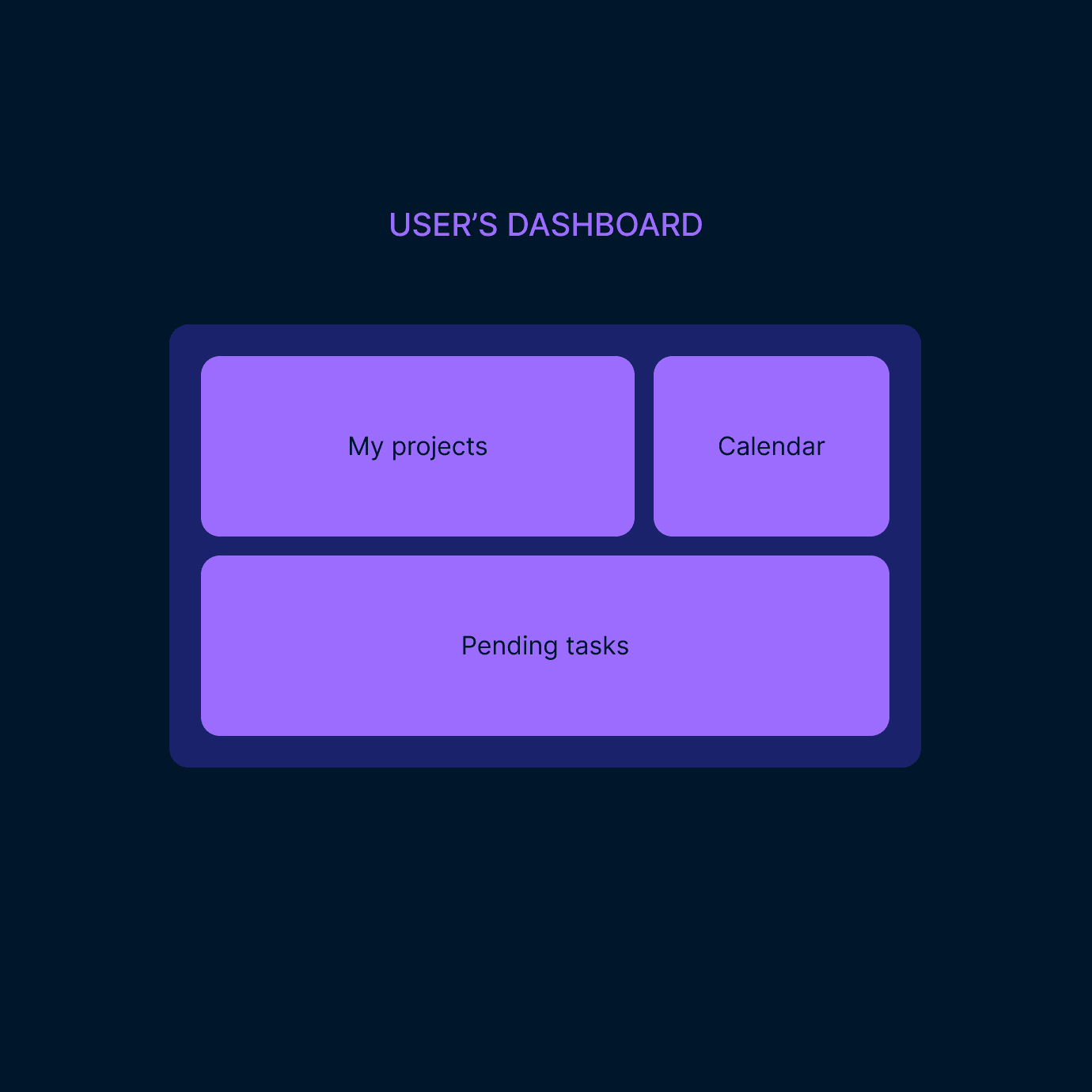
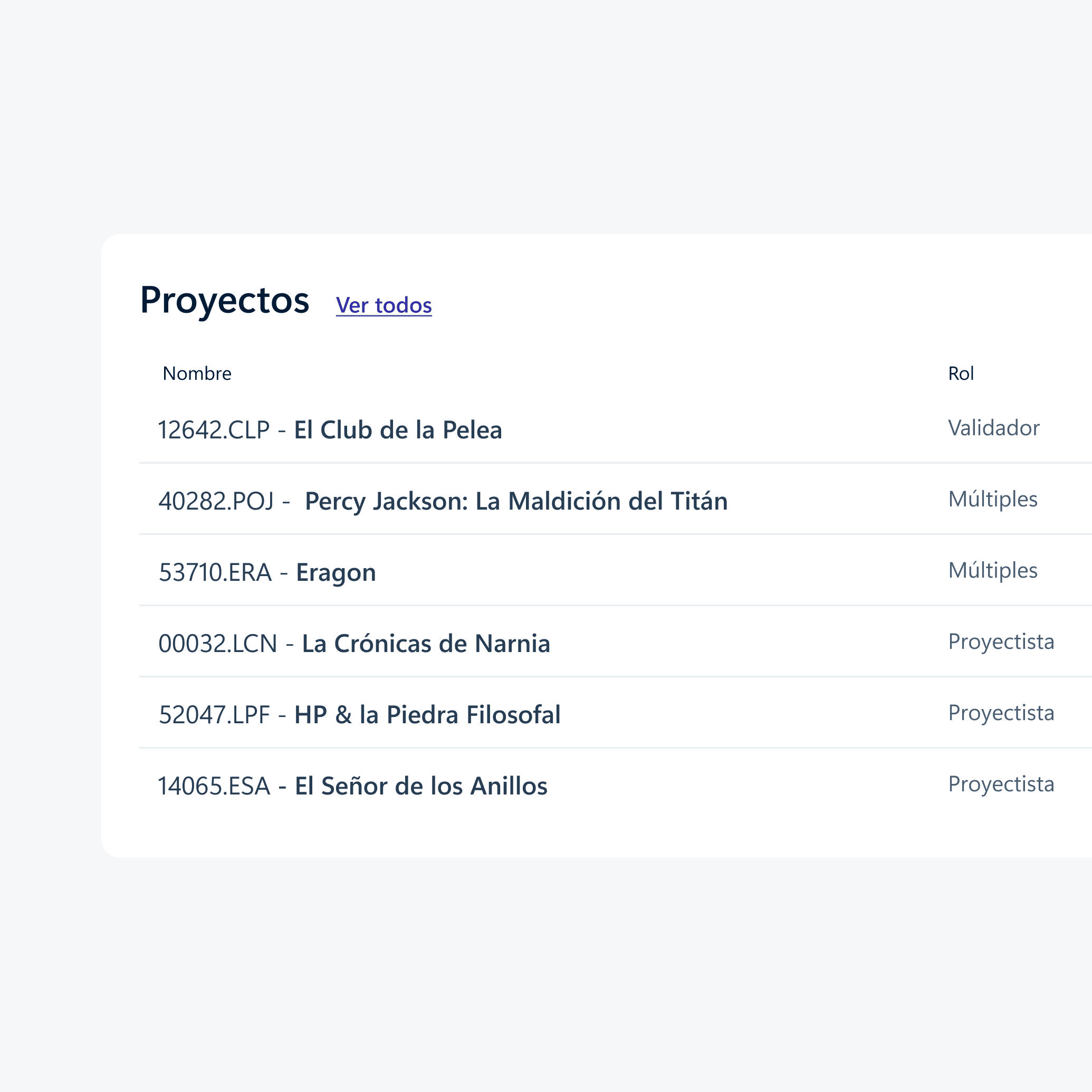
The platform existed — but barely worked as one. Users navigated by memory rather than intuition, project managers had no clear way to track progress or spot delays, and the dashboard surfaced so much at once that finding what mattered was its own challenge. The tool had grown without ever being designed.
The platform existed but barely worked as one having grown many years without ever being designed. Users navigated by memory rather than intuition, project managers had no clear way to track progress or spot delays, and the dashboard surfaced so much at once that finding what mattered was its own challenge.
Solution
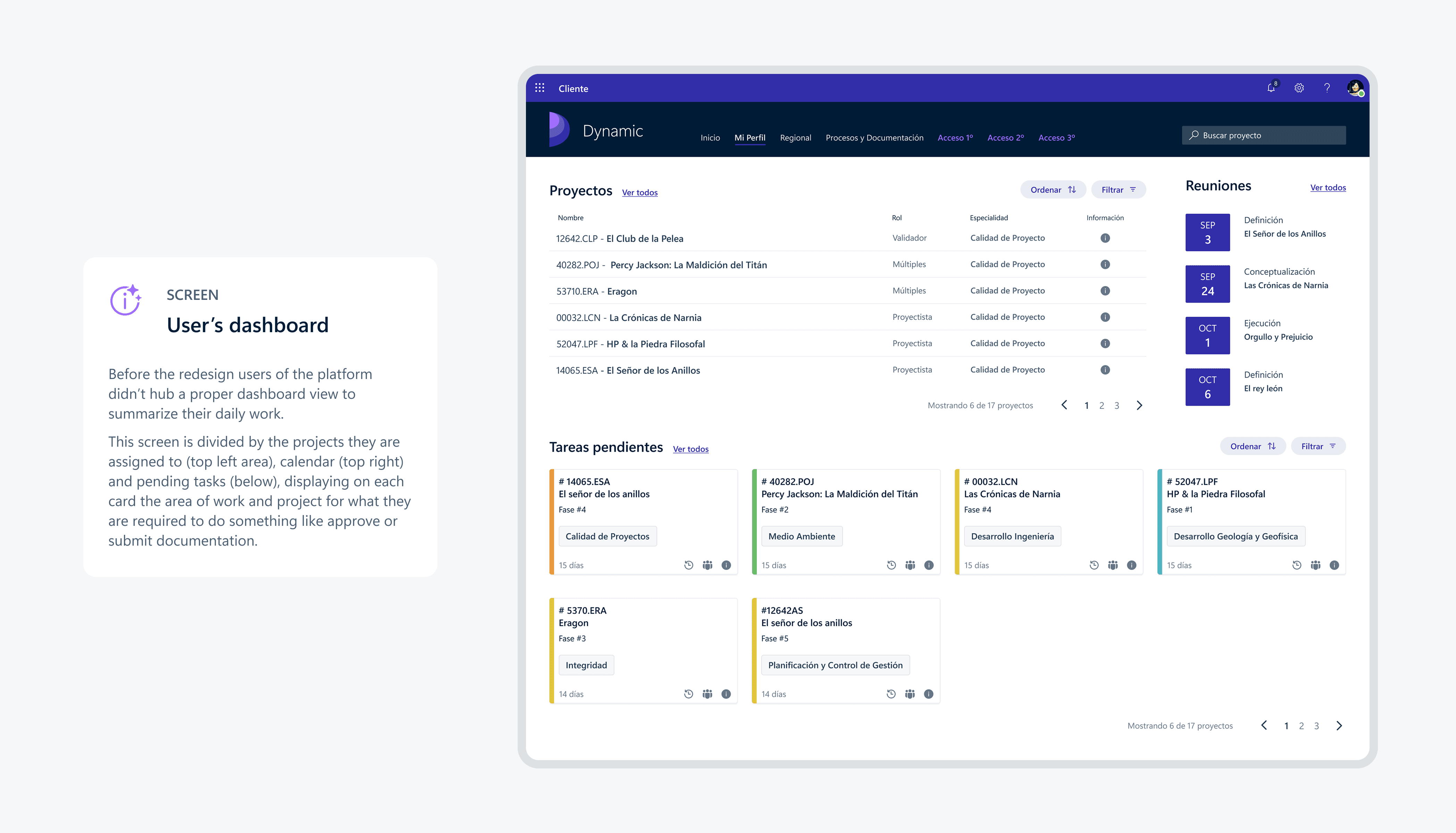
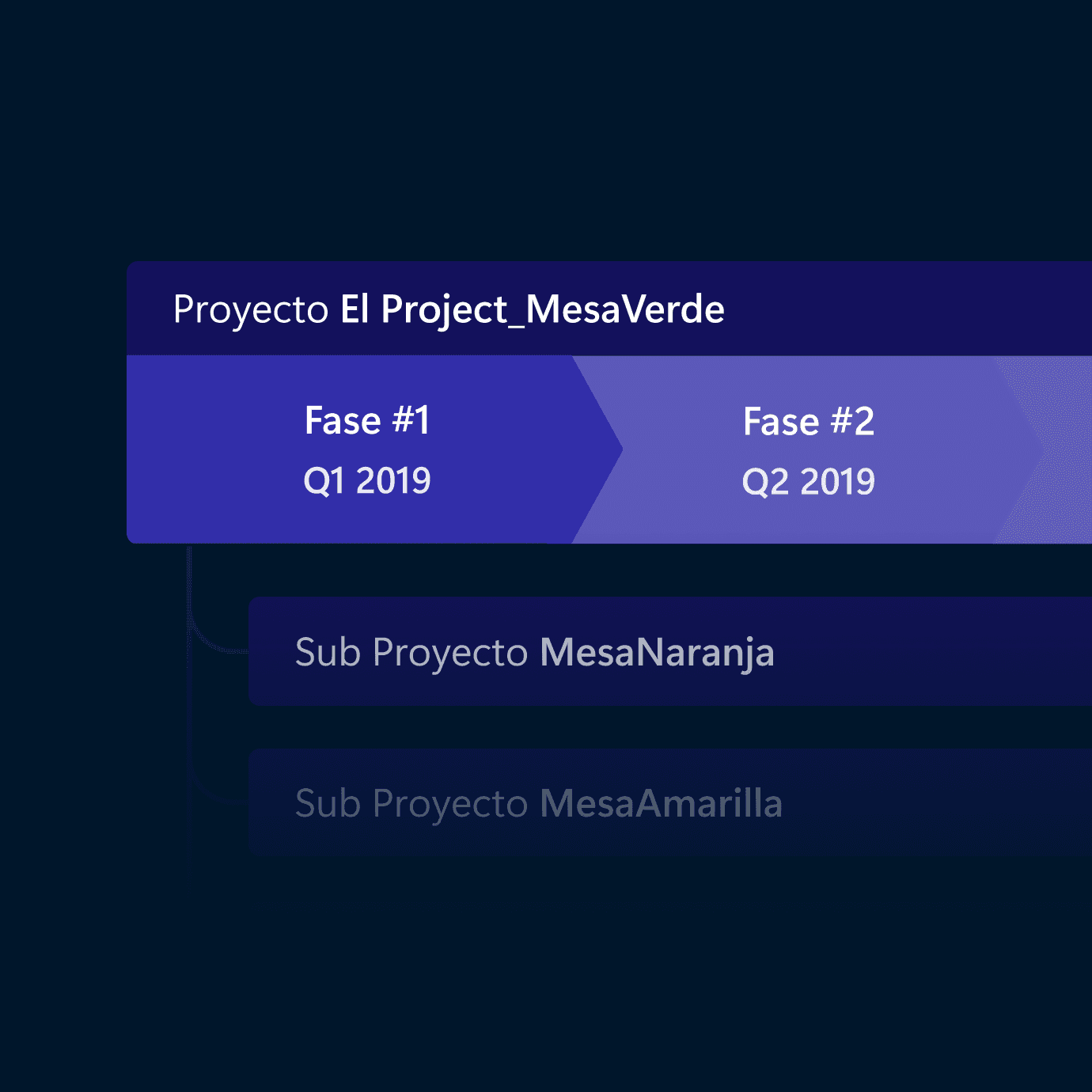
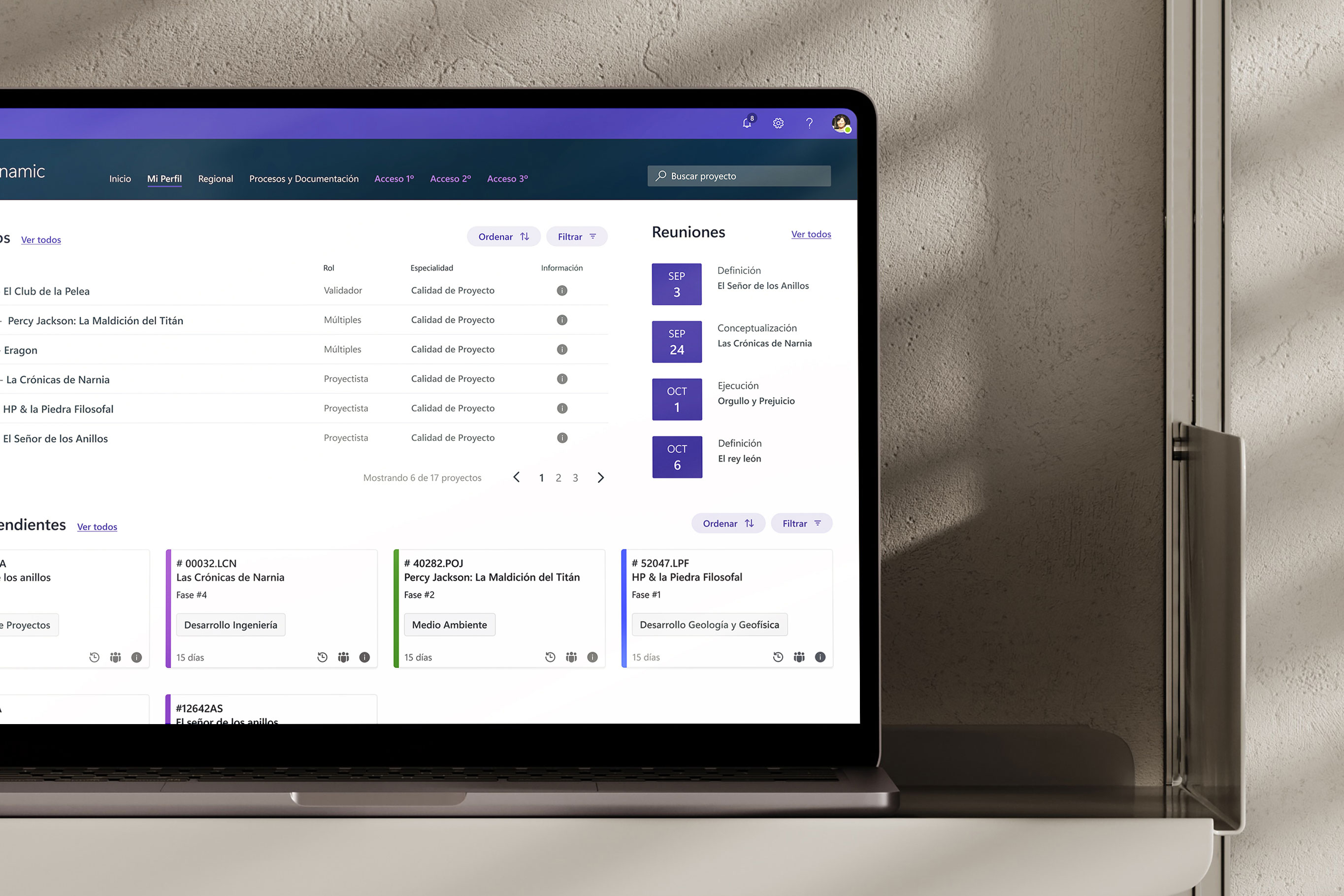
After mapping how each role actually used the platform — and where they stalled — I redesigned the core flows to surface what each person needed to act on, not everything the system could show. Clearer hierarchy, consistent status patterns, and a proper dashboard replaced a tool that users had learned to work around.
After mapping how each role actually used the platform — and where they stalled — I redesigned the core flows to surface what each person needed to act on, not everything the system could show. Clearer hierarchy, consistent status patterns, and a proper dashboard replaced a tool that users had learned to work around.

Shaping the redesign:
Discovery and validation
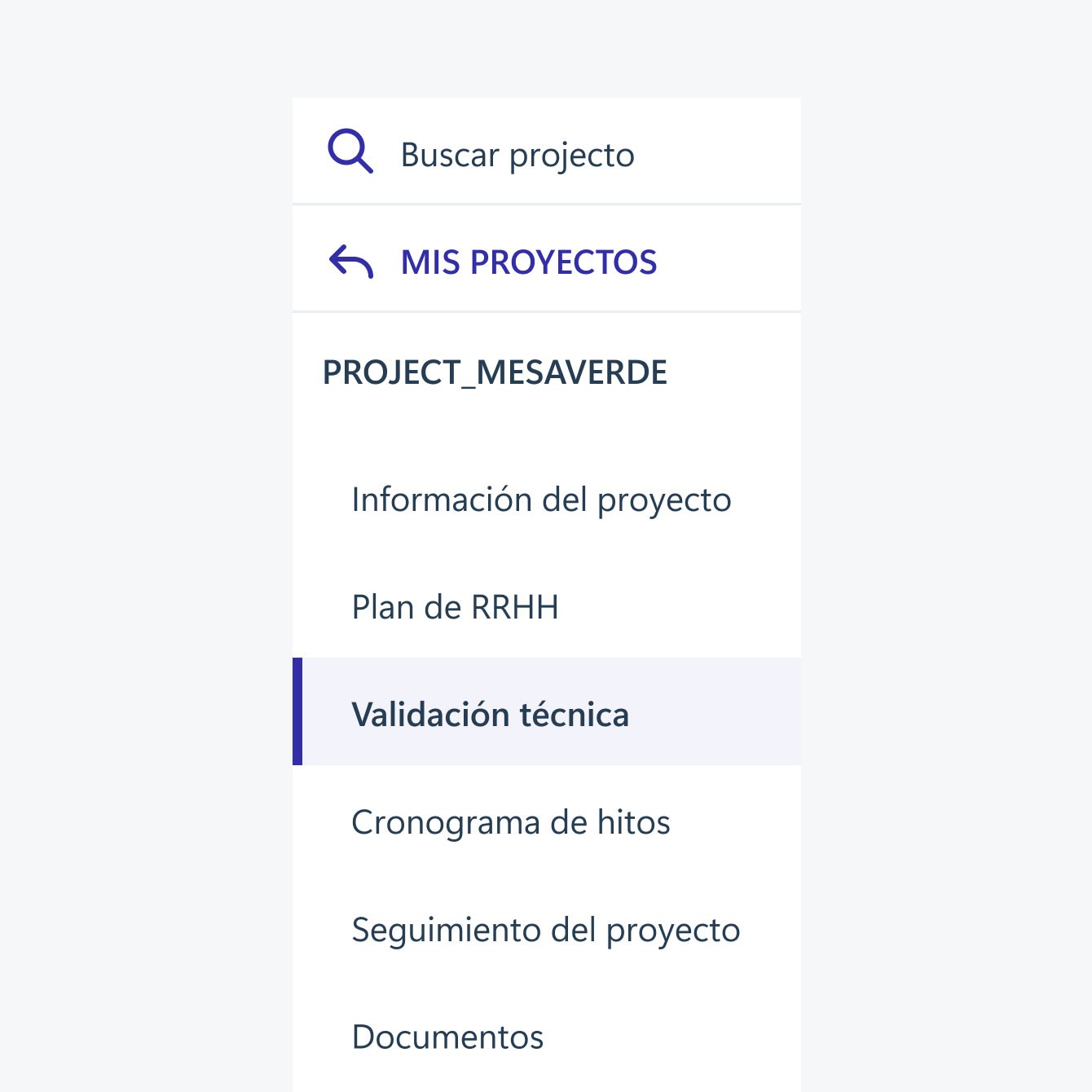
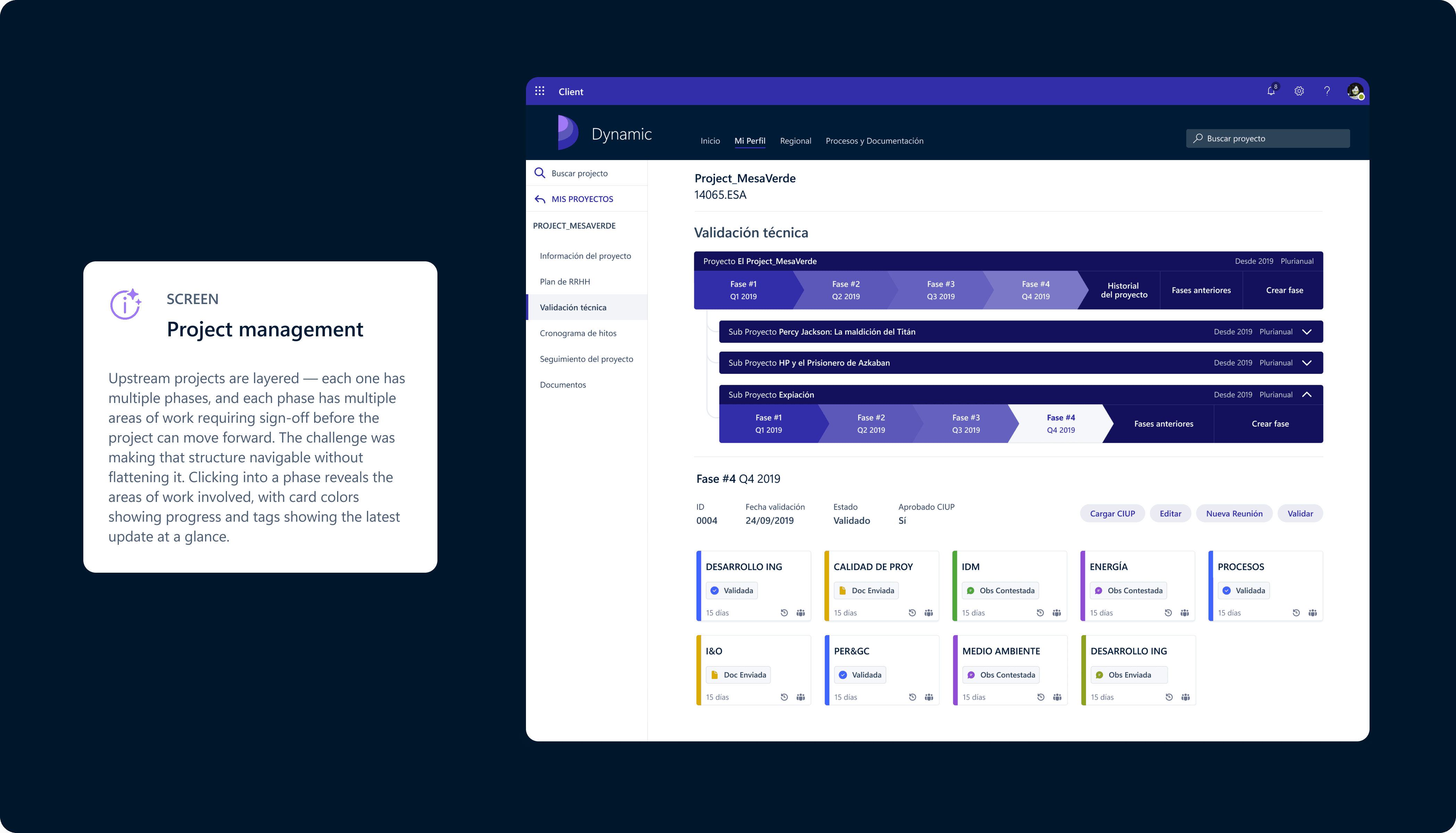
The main flow — completing a project's tasks — was the most complex, so that's where we started. Multiple rounds of validation with the client helped surface not just the obvious pain points, but missed opportunities that only became visible once we mapped how each role actually moved through the platform. Once the core flow was solid, applying the new visual language across the rest of the platform came naturally.
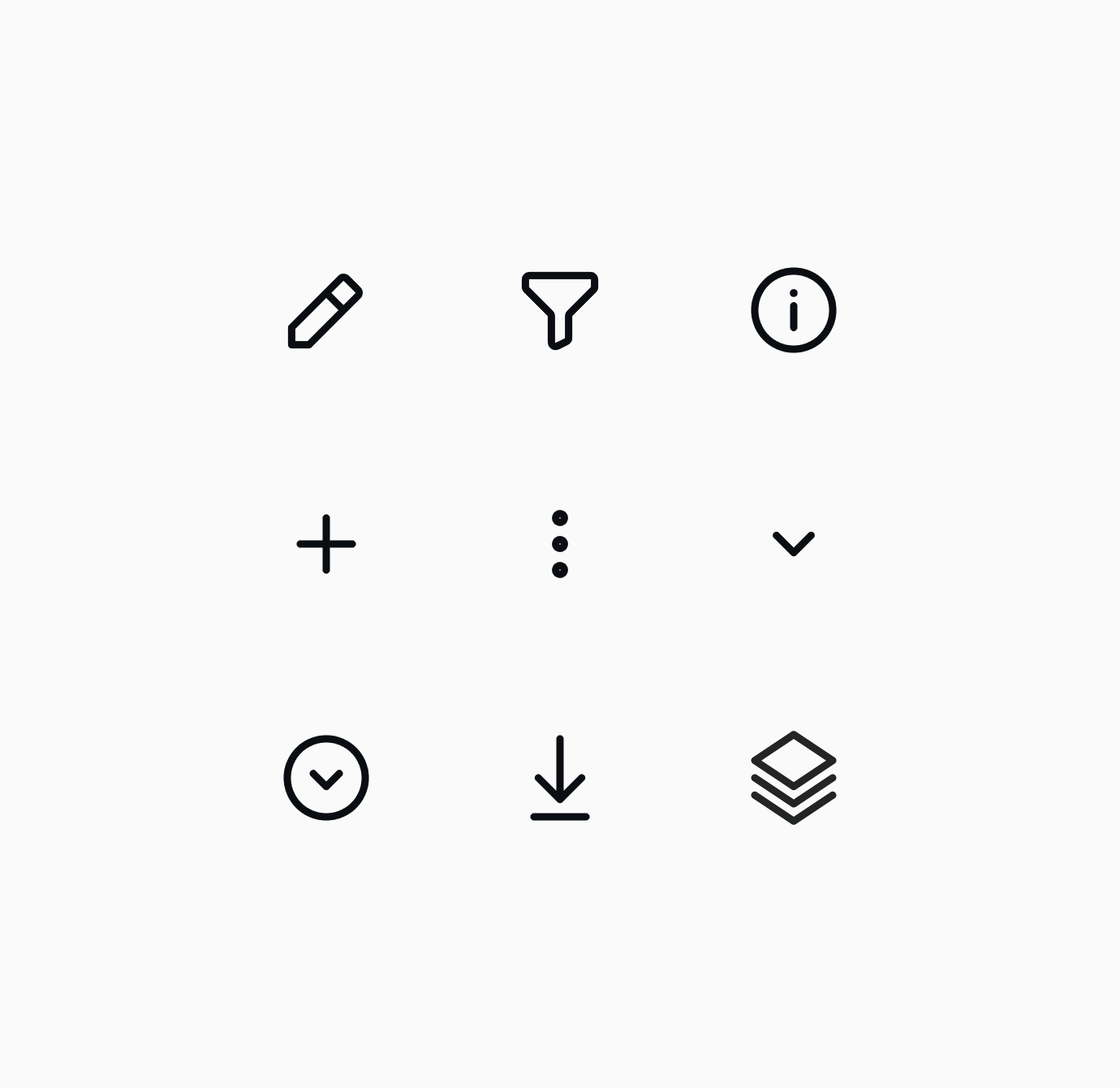
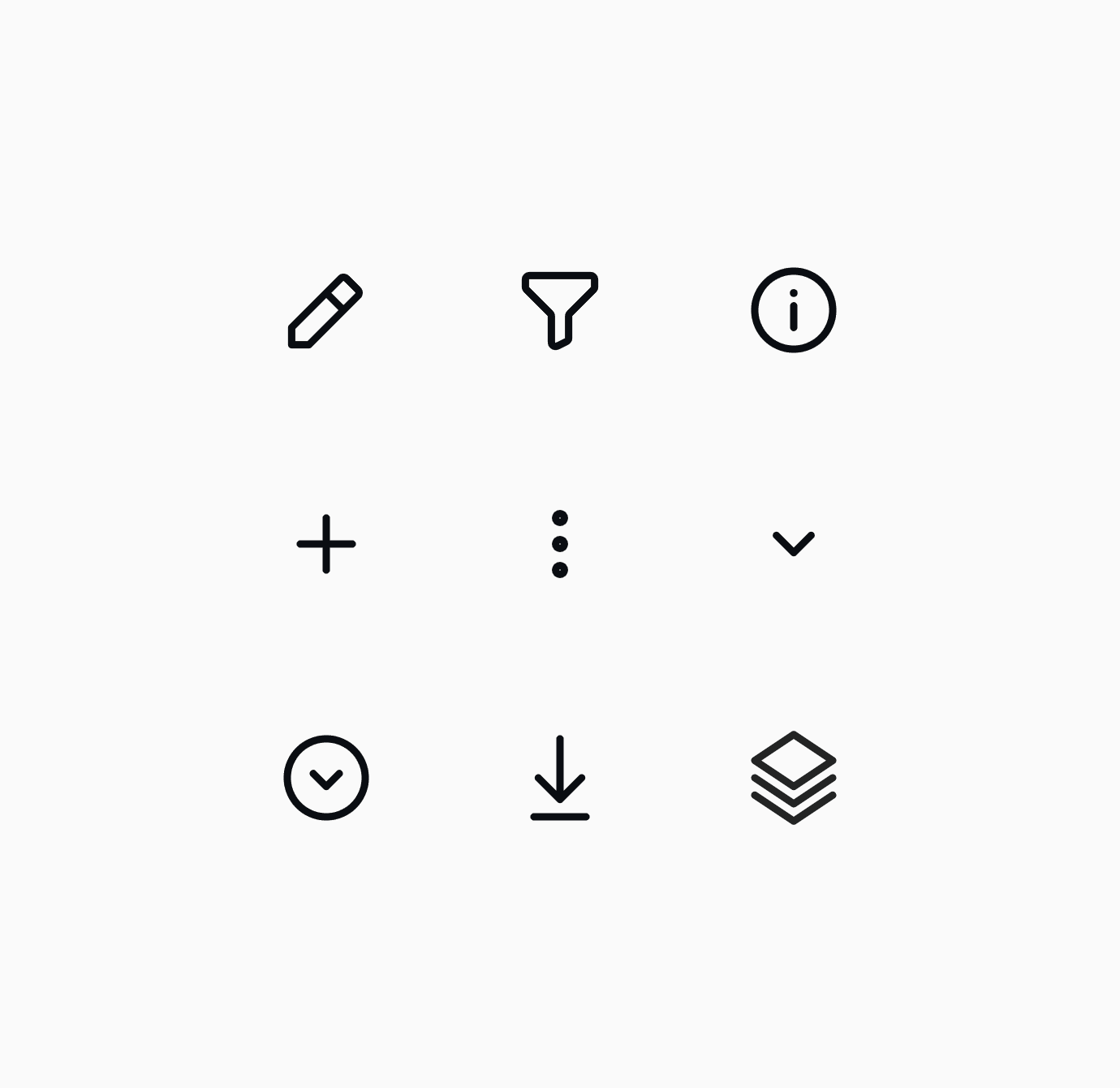
The UI was built on Microsoft Fluent UI, aligned with the client's existing ecosystem — which meant working within a defined system while still pushing for clarity and hierarchy where the defaults weren't enough.
The main flow — completing a project's tasks — was the most complex, so that's where we started. Multiple rounds of validation with the client helped surface not just the obvious pain points, but missed opportunities that only became visible once we mapped how each role actually moved through the platform. Once the core flow was solid, applying the new visual language across the rest of the platform came naturally.
The UI was built on Microsoft Fluent UI, aligned with the client's existing ecosystem — which meant working within a defined system while still pushing for clarity and hierarchy where the defaults weren't enough.
The main flow — completing a project's tasks — was the most complex, so that's where we started. Multiple rounds of validation with the client helped surface not just the obvious pain points, but missed opportunities that only became visible once we mapped how each role actually moved through the platform. Once the core flow was solid, applying the new visual language across the rest of the platform came naturally.
The UI was built on Microsoft Fluent UI, aligned with the client's existing ecosystem — which meant working within a defined system while still pushing for clarity and hierarchy where the defaults weren't enough.






Project statuses
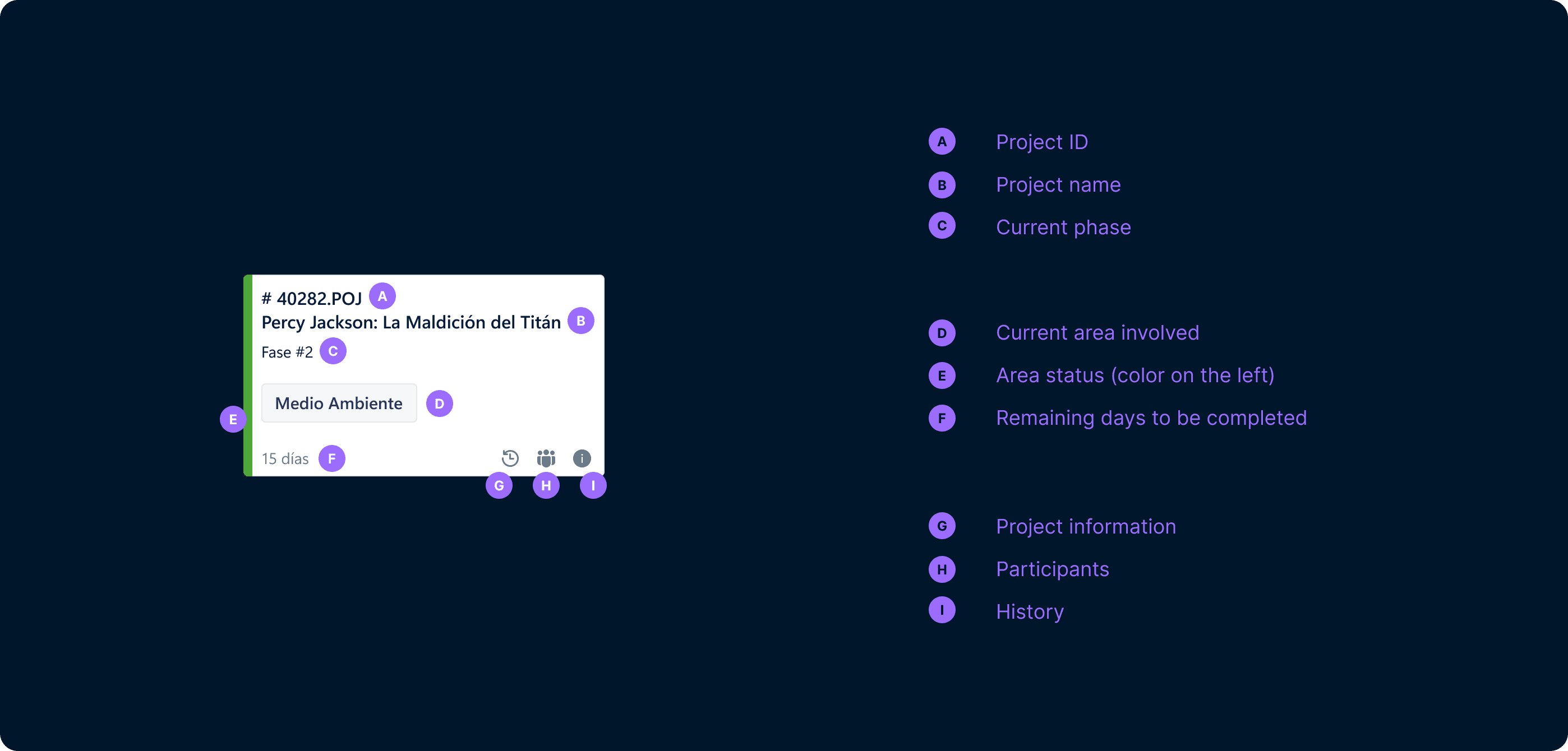
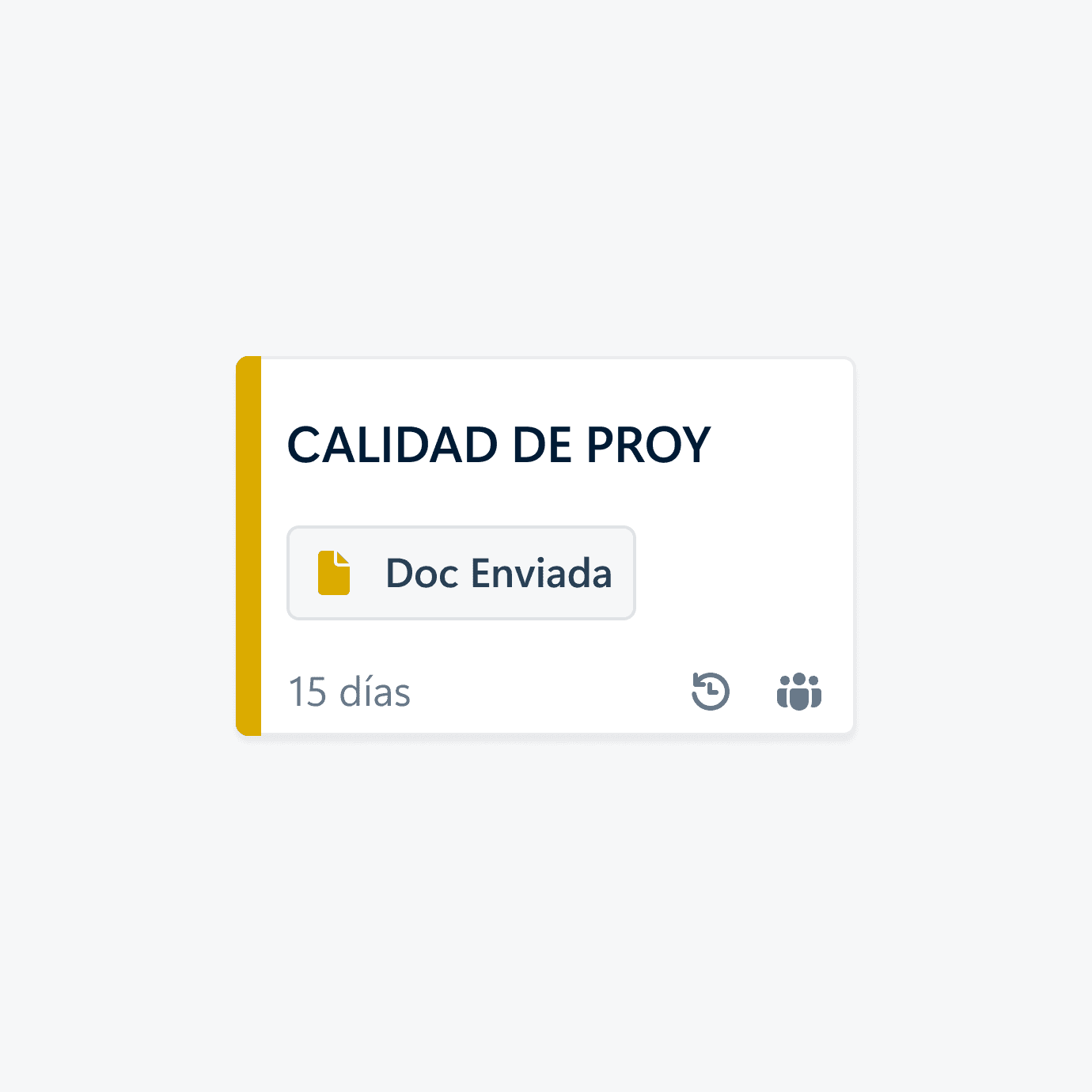
On this platform, inconsistent use of color had led teams to read statuses as "good" or "bad" rather than as signals for action — creating friction and, sometimes, unnecessary alarm. Redefining the status framework around what needs to happen next rather than how things are going shifted how teams used the tool.
On this platform, inconsistent use of color had led teams to read statuses as "good" or "bad" rather than as signals for action — creating friction and, sometimes, unnecessary alarm. Redefining the status framework around what needs to happen next rather than how things are going shifted how teams used the tool.
On this platform, inconsistent use of color had led teams to read statuses as "good" or "bad" rather than as signals for action — creating friction and, sometimes, unnecessary alarm. Redefining the status framework around what needs to happen next rather than how things are going shifted how teams used the tool.
Email notifications
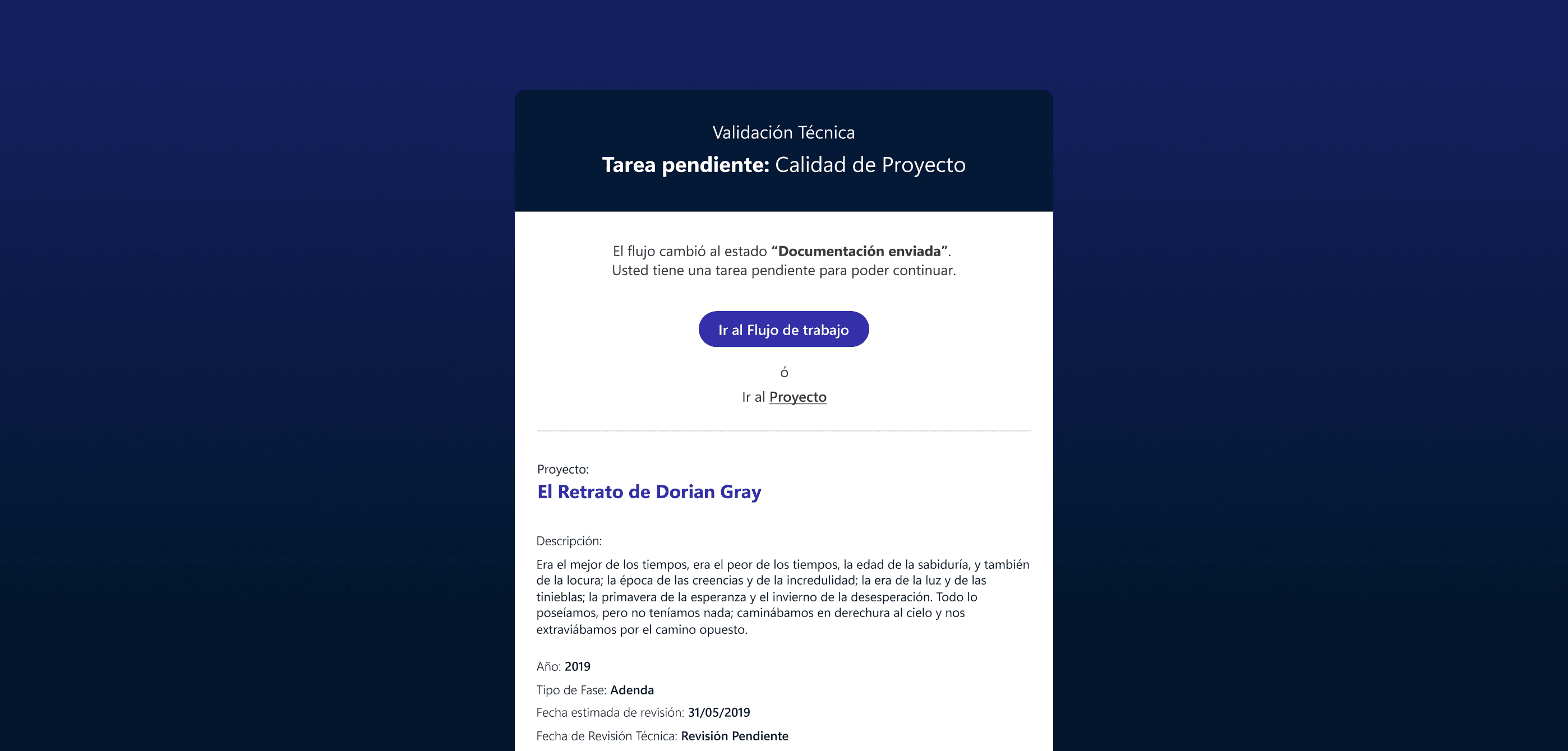
Emails were a high-traffic touchpoint that the client had largely ignored. I restructured them to support quick scanning — clear subject, immediate context, one action.
Since emails were limited to plain HTML/CSS (without images, icons or logos), I relied on text-based hierarchy alone, using headings, spacing, and emphasis to maximize readability.
Emails were a high-traffic touchpoint that the client had largely ignored. I restructured them to support quick scanning — clear subject, immediate context, one action.
Since emails were limited to plain HTML/CSS (without images, icons or logos), I relied on text-based hierarchy alone, using headings, spacing, and emphasis to maximize readability.
Emails were a high-traffic touchpoint that the client had largely ignored. I restructured them to support quick scanning — clear subject, immediate context, one action.
Since emails were limited to plain HTML/CSS (without images, icons or logos), I relied on text-based hierarchy alone, using headings, spacing, and emphasis to maximize readability.
Outcome
The redesigned platform launched in early 2020, the client was satisfied, adoption improved, reduce training time and the clarity of the new interface mattered more than anyone had anticipated going into a pandemic.
One of the real challenges of this project was working within Fluent UI's constraints while still solving for dense, complex information. The system gave us a solid foundation, but making it work for this specific context required careful decisions about hierarchy and structure that the component library alone couldn't make for us.
The redesigned platform launched in early 2020, the client was satisfied, adoption improved, reduce training time and the clarity of the new interface mattered more than anyone had anticipated going into a pandemic.
One of the real challenges of this project was working within Fluent UI's constraints while still solving for dense, complex information. The system gave us a solid foundation, but making it work for this specific context required careful decisions about hierarchy and structure that the component library alone couldn't make for us.
The redesigned platform launched in early 2020, the client was satisfied, adoption improved, reduce training time and the clarity of the new interface mattered more than anyone had anticipated going into a pandemic.
One of the real challenges of this project was working within Fluent UI's constraints while still solving for dense, complex information. The system gave us a solid foundation, but making it work for this specific context required careful decisions about hierarchy and structure that the component library alone couldn't make for us.
Project details
Team
Team Leader, Technical Lead, 2 Business Analysts, Brand Designer, UX/UI Designer (me), UI Developer and 2 Developers.
Duration
~4 months (design phase only), launched Q1 2020
My Role
Sole UX/UI designer, responsible for research, flows, UI design and developer handoff.
Team
Team Leader, Technical Lead, 2 Business Analysts, Brand Designer, UX/UI Designer (me), UI Developer and 2 Developers.
Duration
~4 months (design phase only), launched Q1 2020
My Role
Sole UX/UI designer, responsible for research, flows, UI design and developer handoff.