Argentina's first unified banking wallet: From zero to 3 million users
INDUSTRY
Fintech
YEAR
2020-2021
PLATFORM
iOS and Android

What I did
I joined MODO a few months before launch as one of the founding product designers. Early on, I helped define core flows, and after launch, I owned the peer-to-peer transfer experience, one of only two products available to users in the first six months.
I joined MODO a few months before launch as one of the founding product designers. Early on, I helped define core flows, and after launch, I owned the peer-to-peer transfer experience, one of only two products available to users in the first six months.
3M
3M
users in the
fist 10 months
30+
30+
banks in
the ecosystem
400K+
400K+
merchants
locations
nationwide
Read Case Study
In the first six months after launch:
Tripled the number of active P2P users
Increased x3 the transfers executed
Reduced the error rate by 30 percentage points
Improved account linking conversion by 15 percentage points
Integrated 10 new banks into the P2P flow
Shipped suggested contacts, personal QR code, and push notifications for received money
In the first six months after launch:
Tripled the number of active P2P users
Increased x3 the transfers executed
Reduced the error rate by 30 percentage points
Improved account linking conversion by 15 percentage points
Integrated 10 new banks into the P2P flow
Shipped suggested contacts, personal QR code, and push notifications for received money
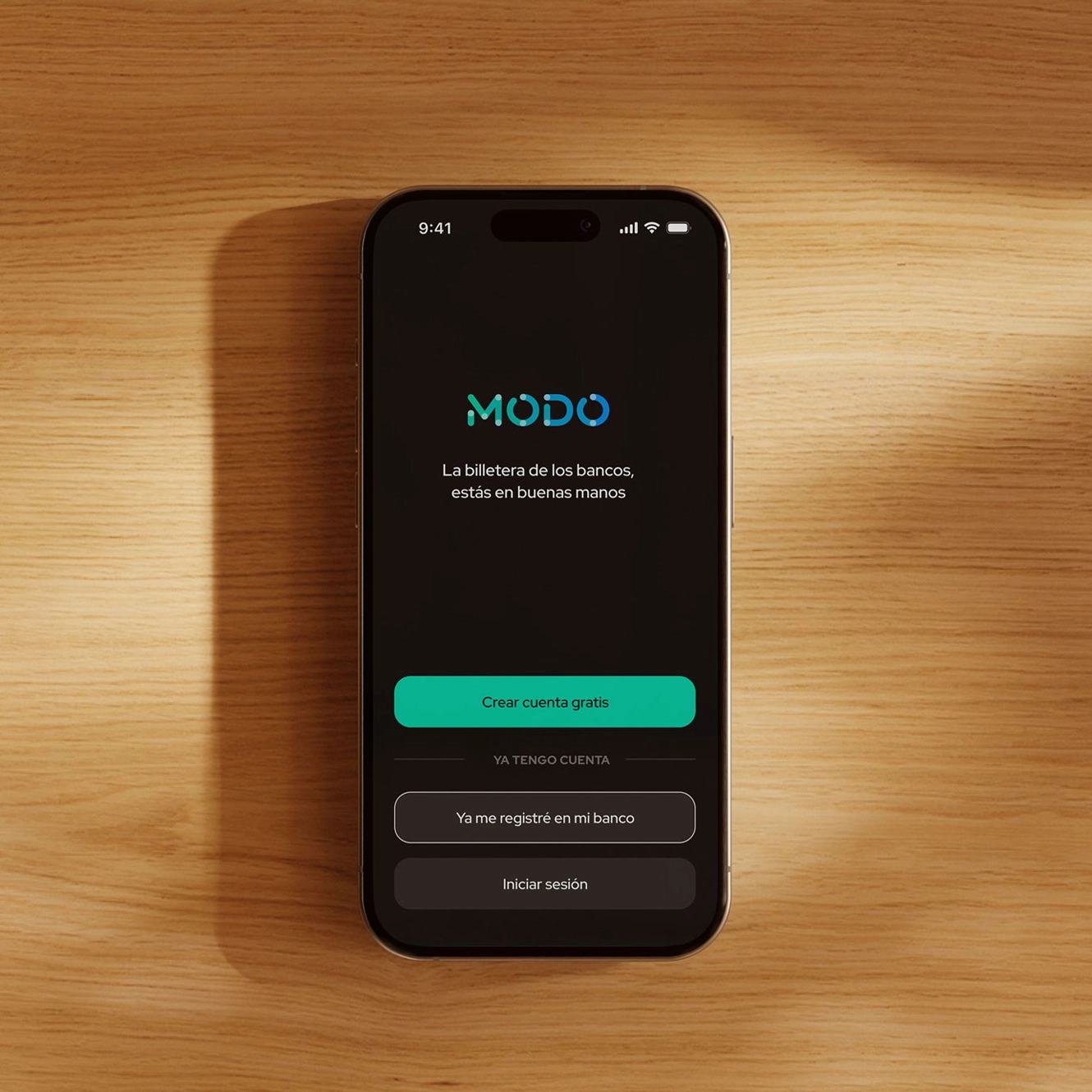
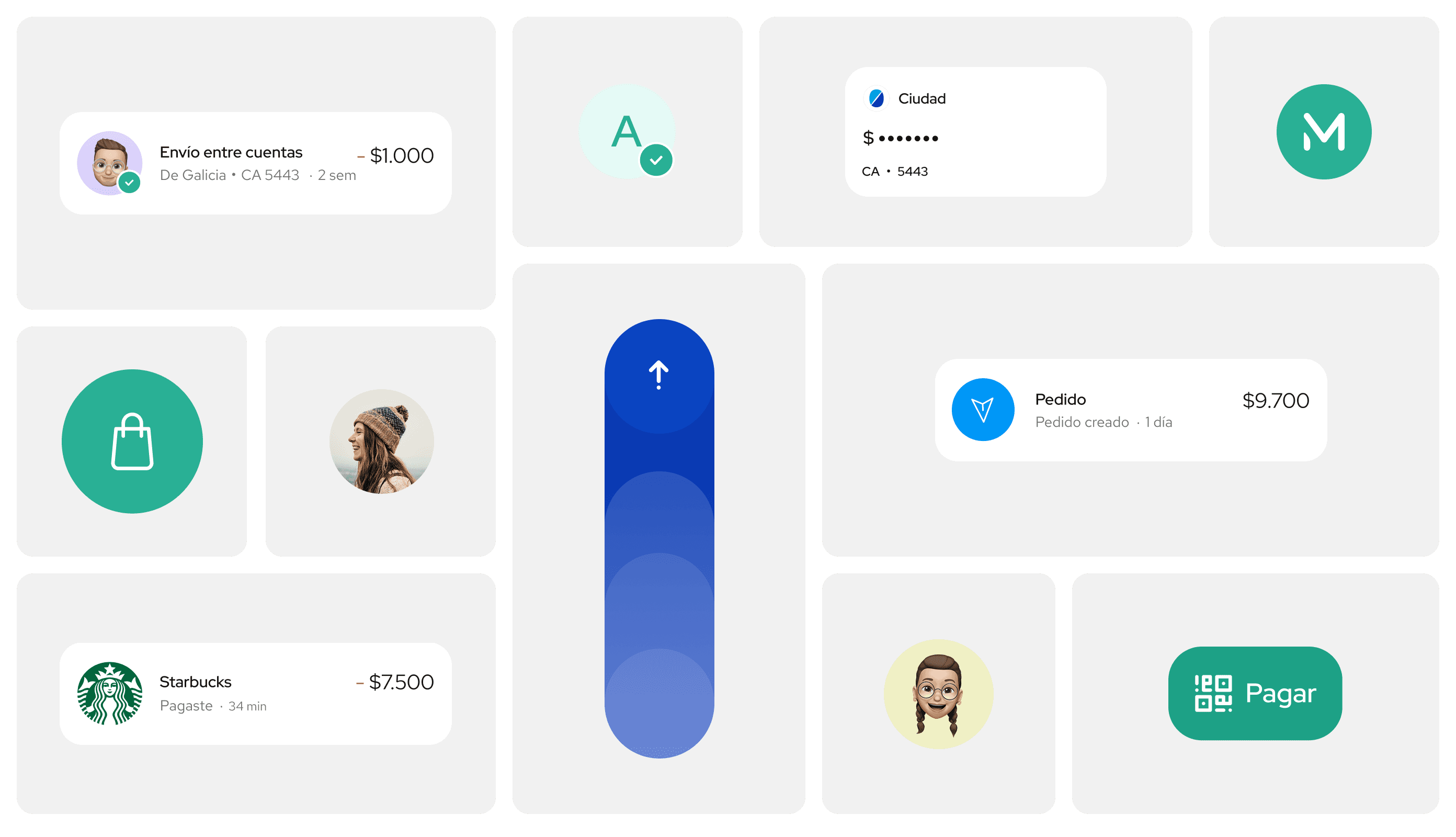
A system that shaped the brand
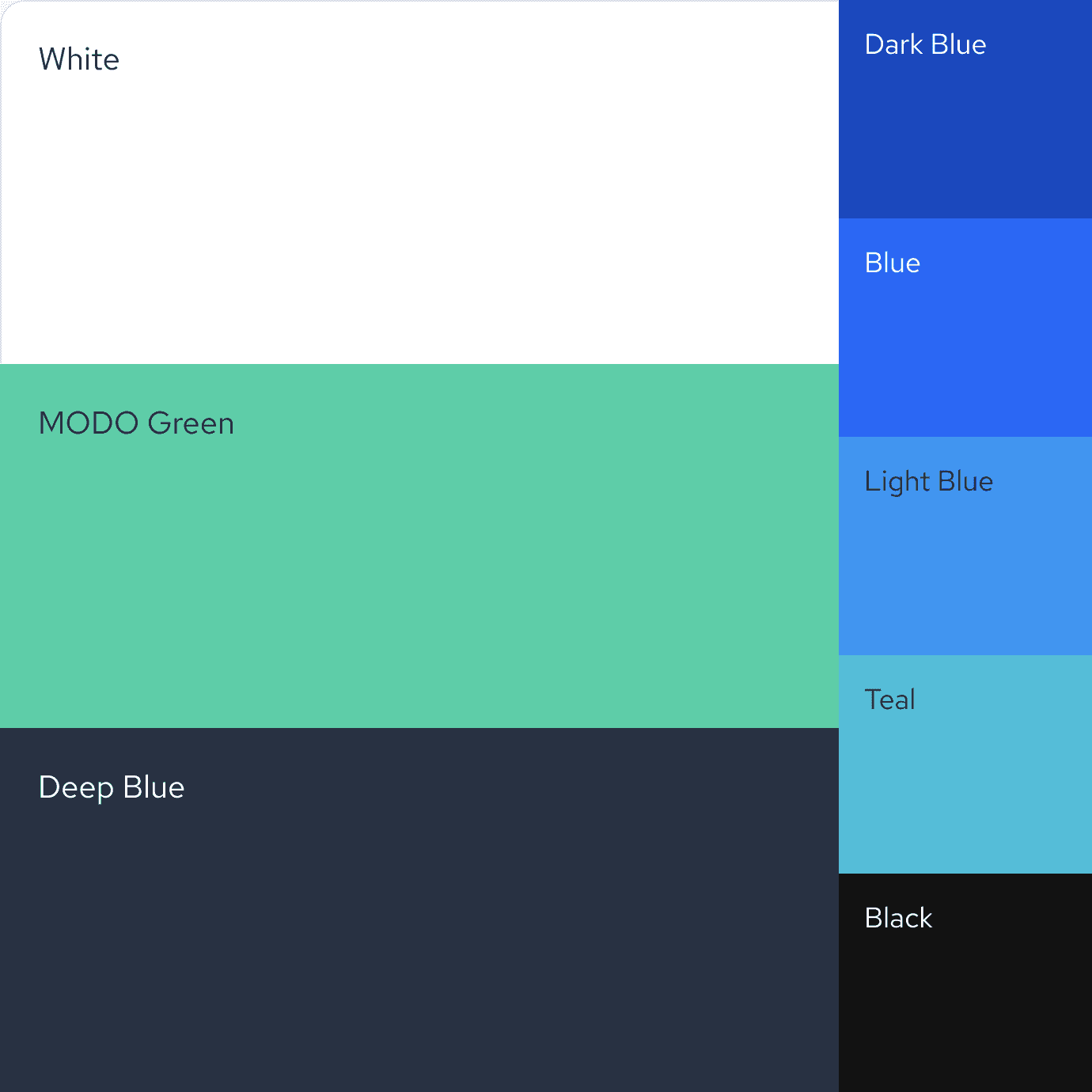
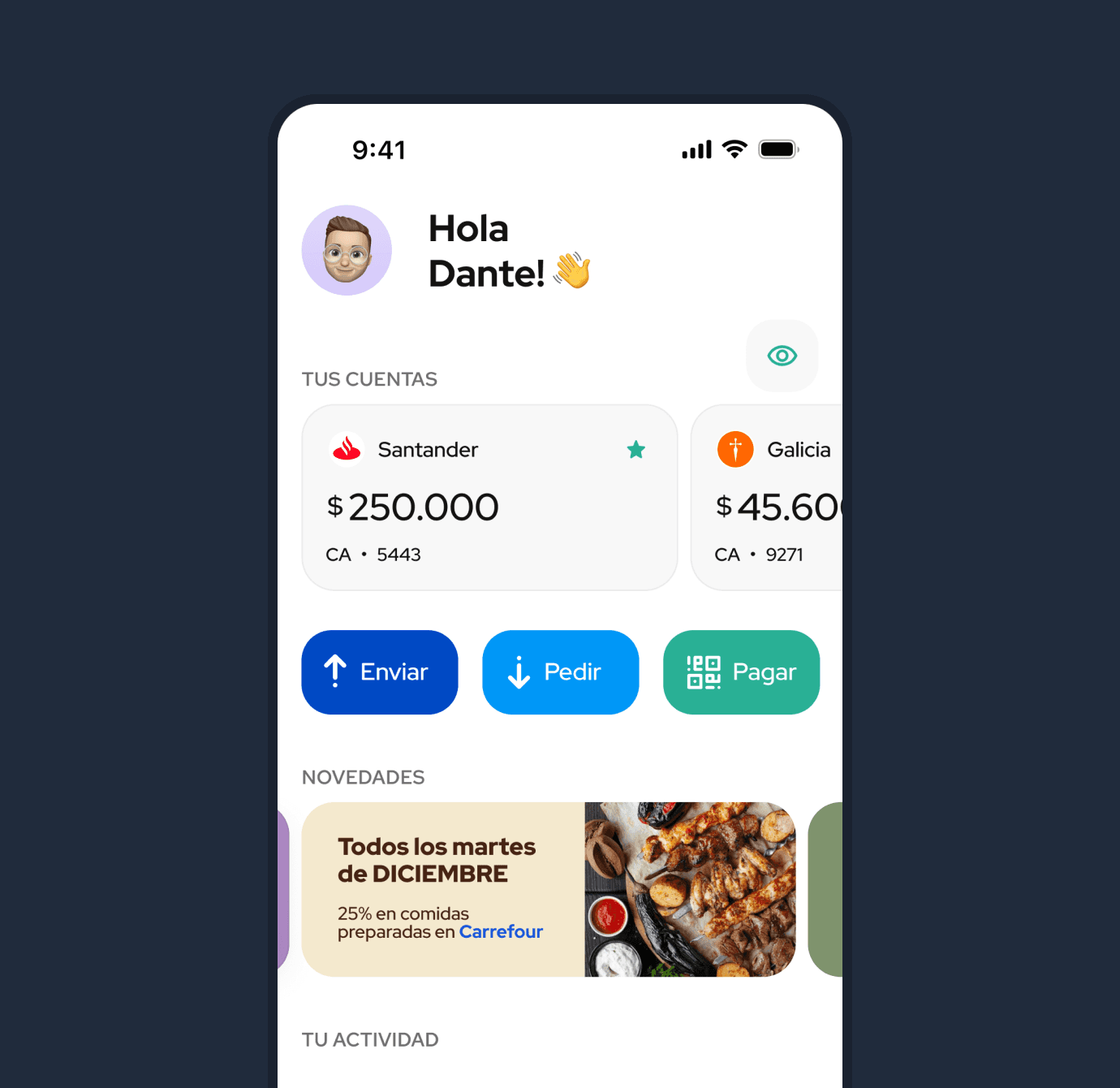
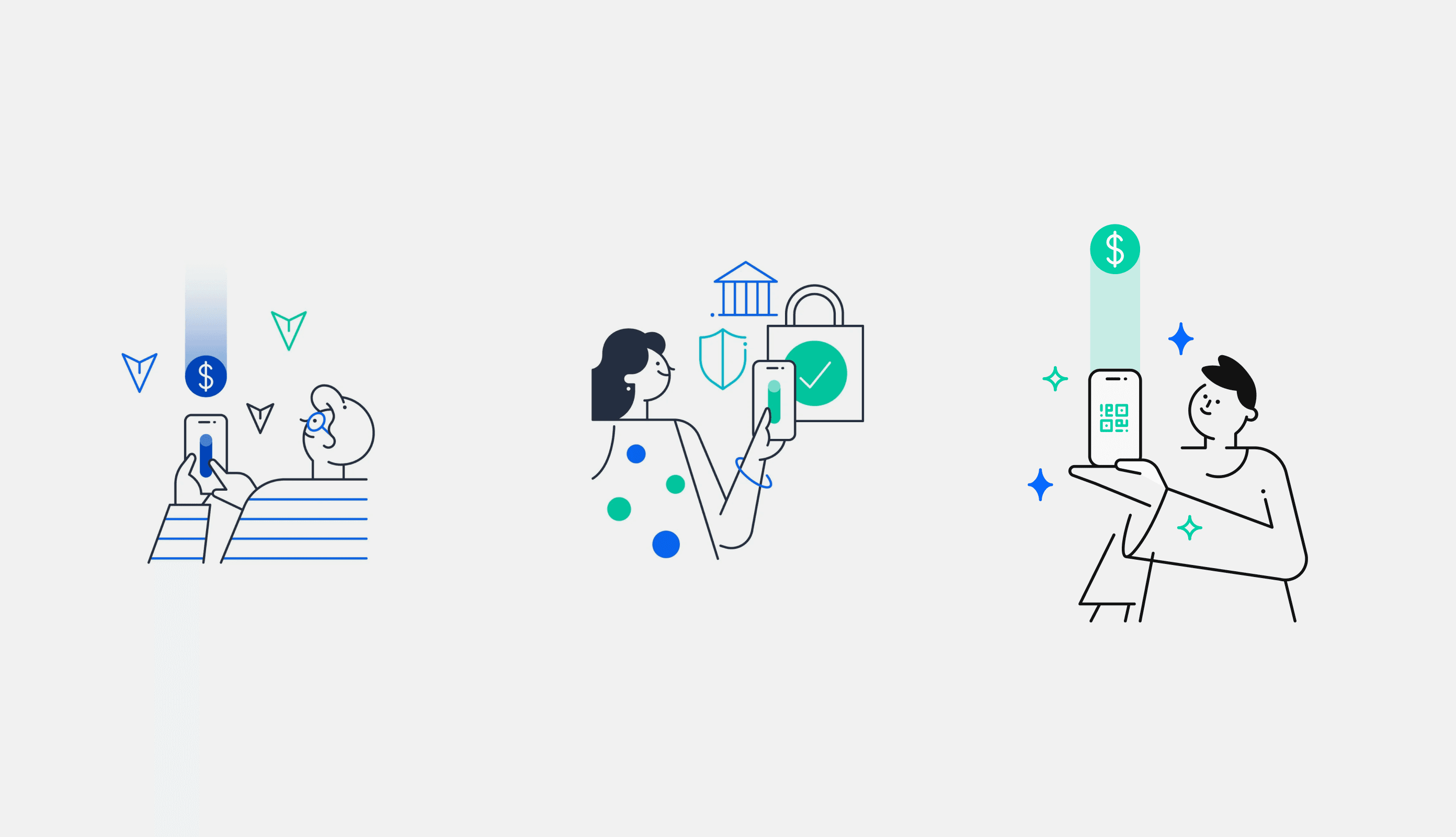
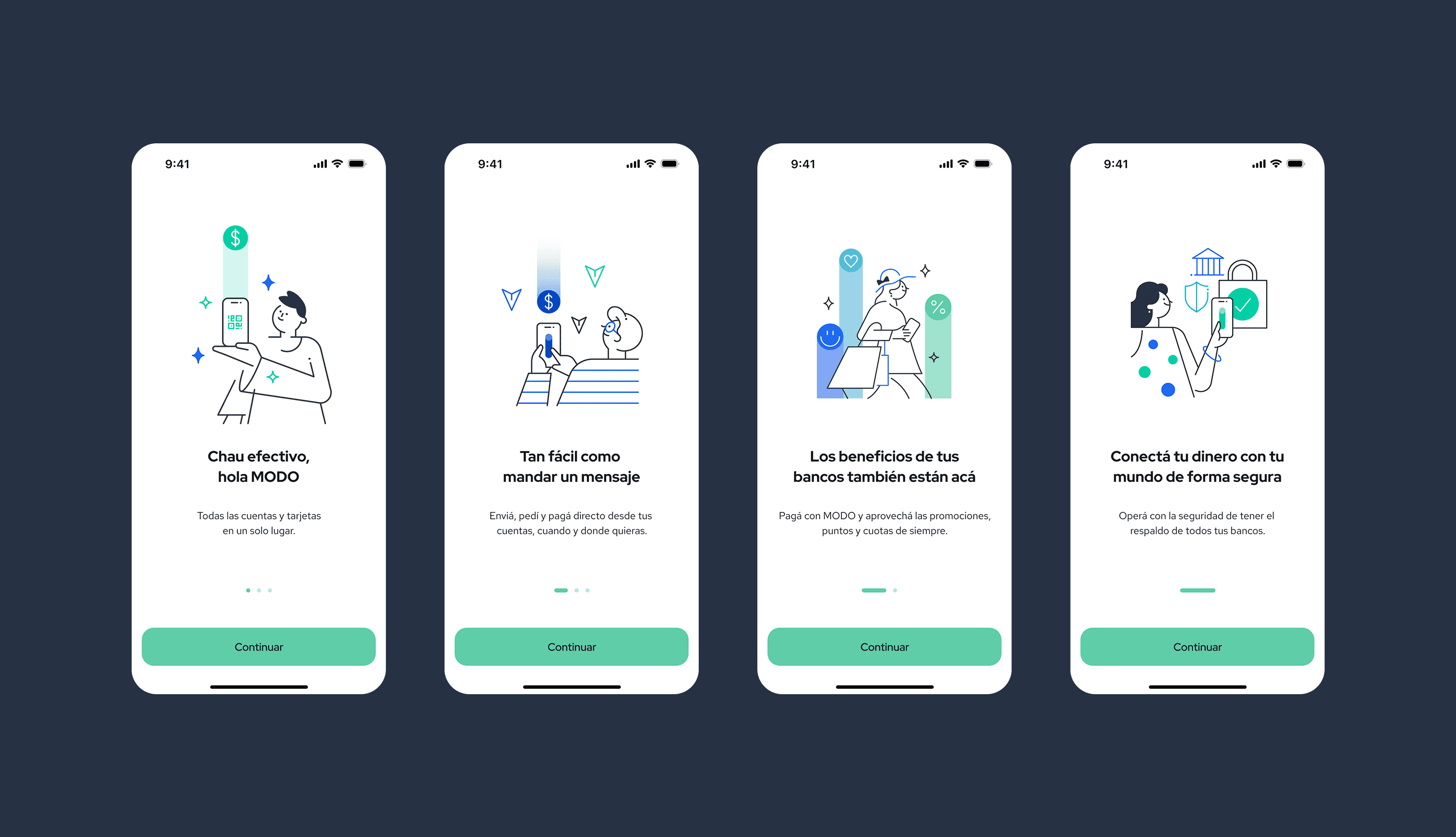
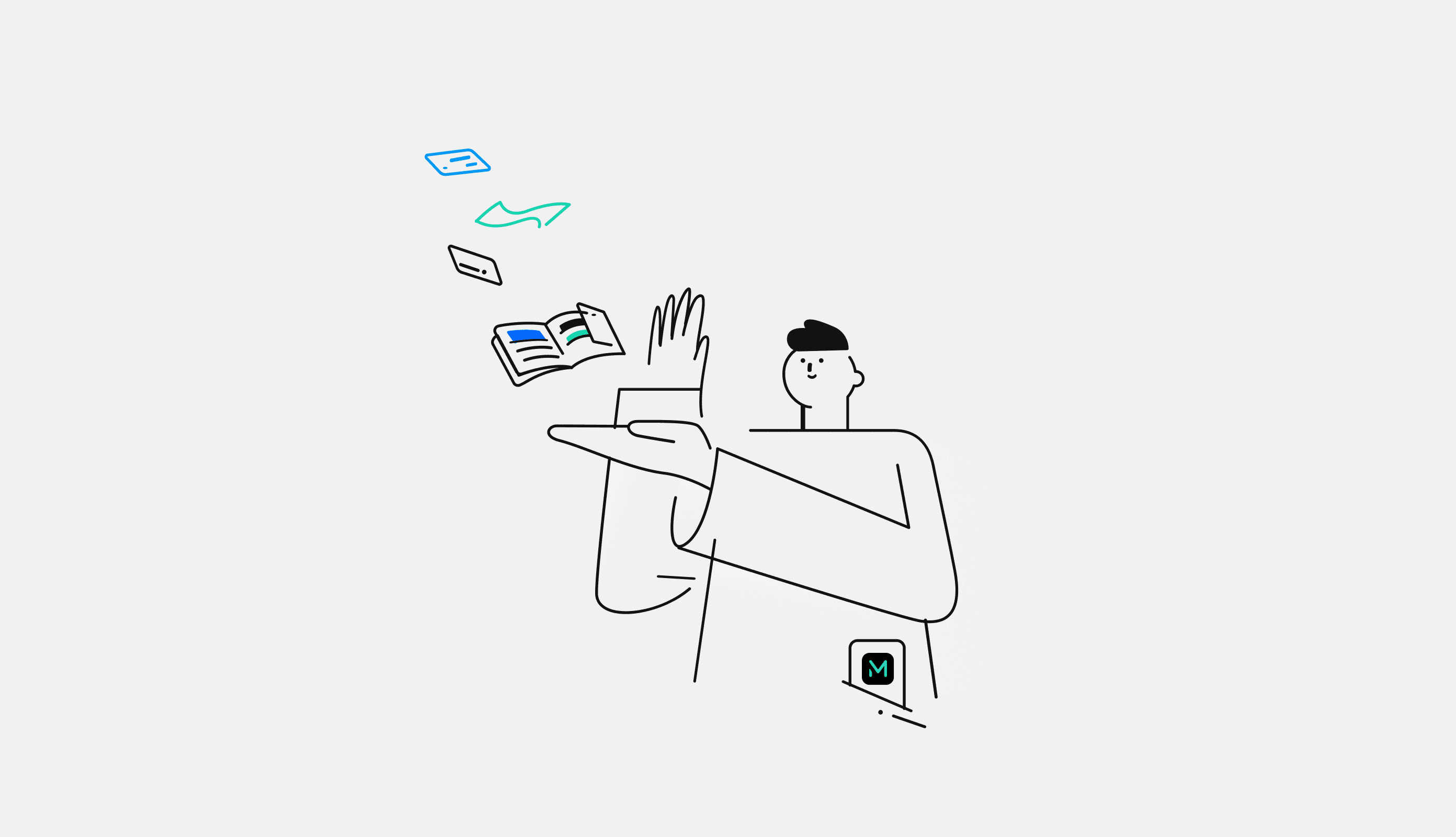
Weeks before launch, we worked with a creative agency under a tight deadline to redesign the UI — stripping it back to something more minimal and intentional. A set of custom illustrations helped define the tone: warm, approachable, and a little playful.
The swipe gesture used to send money and pay became the product's signature interaction — and the illustrations reinforced it, giving the motion a personality that felt distinctly MODO.
Weeks before launch, we worked with a creative agency under a tight deadline to redesign the UI — stripping it back to something more minimal and intentional. A set of custom illustrations helped define the tone: warm, approachable, and a little playful.
The swipe gesture used to send money and pay became the product's signature interaction — and the illustrations reinforced it, giving the motion a personality that felt distinctly MODO.

Sending money, without the friction
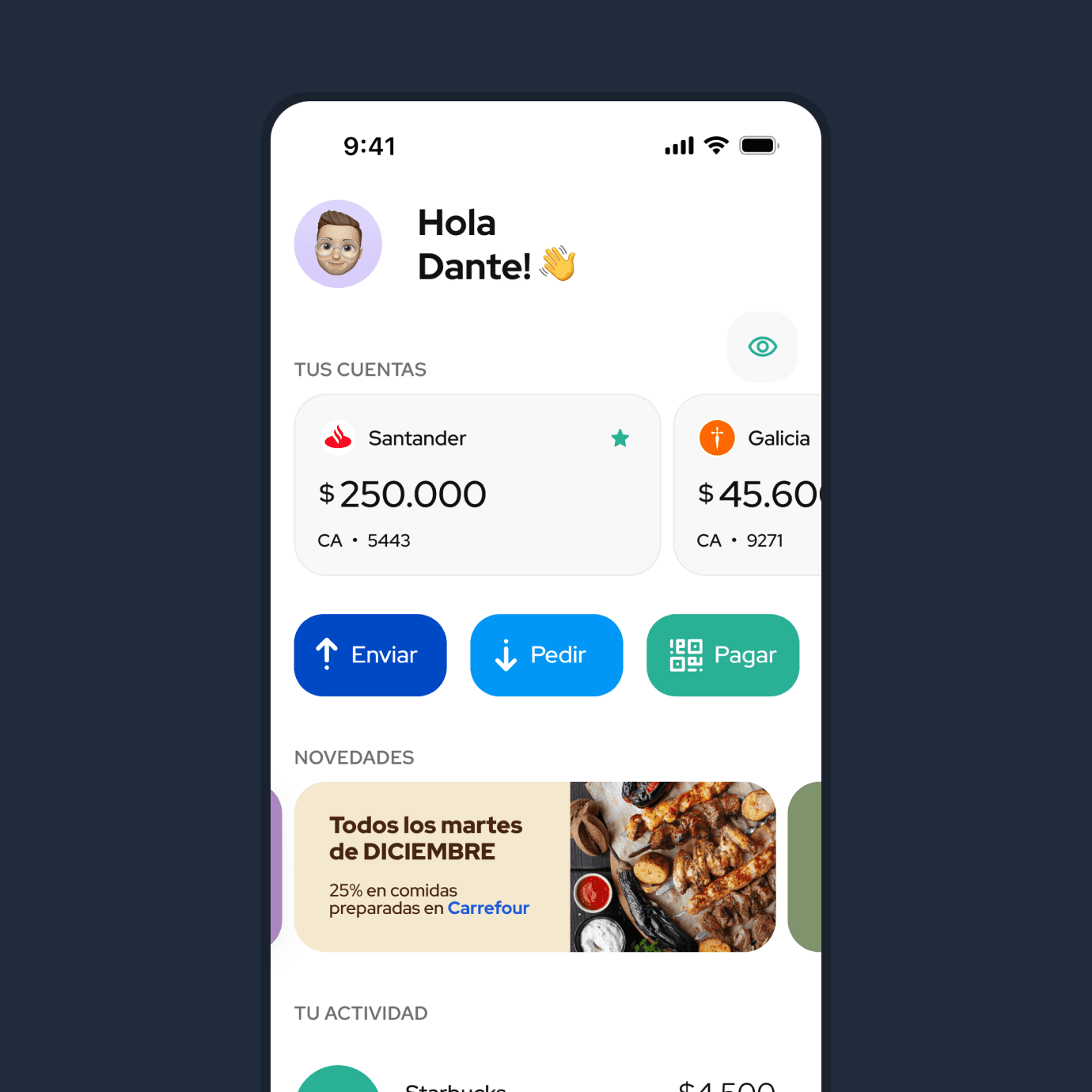
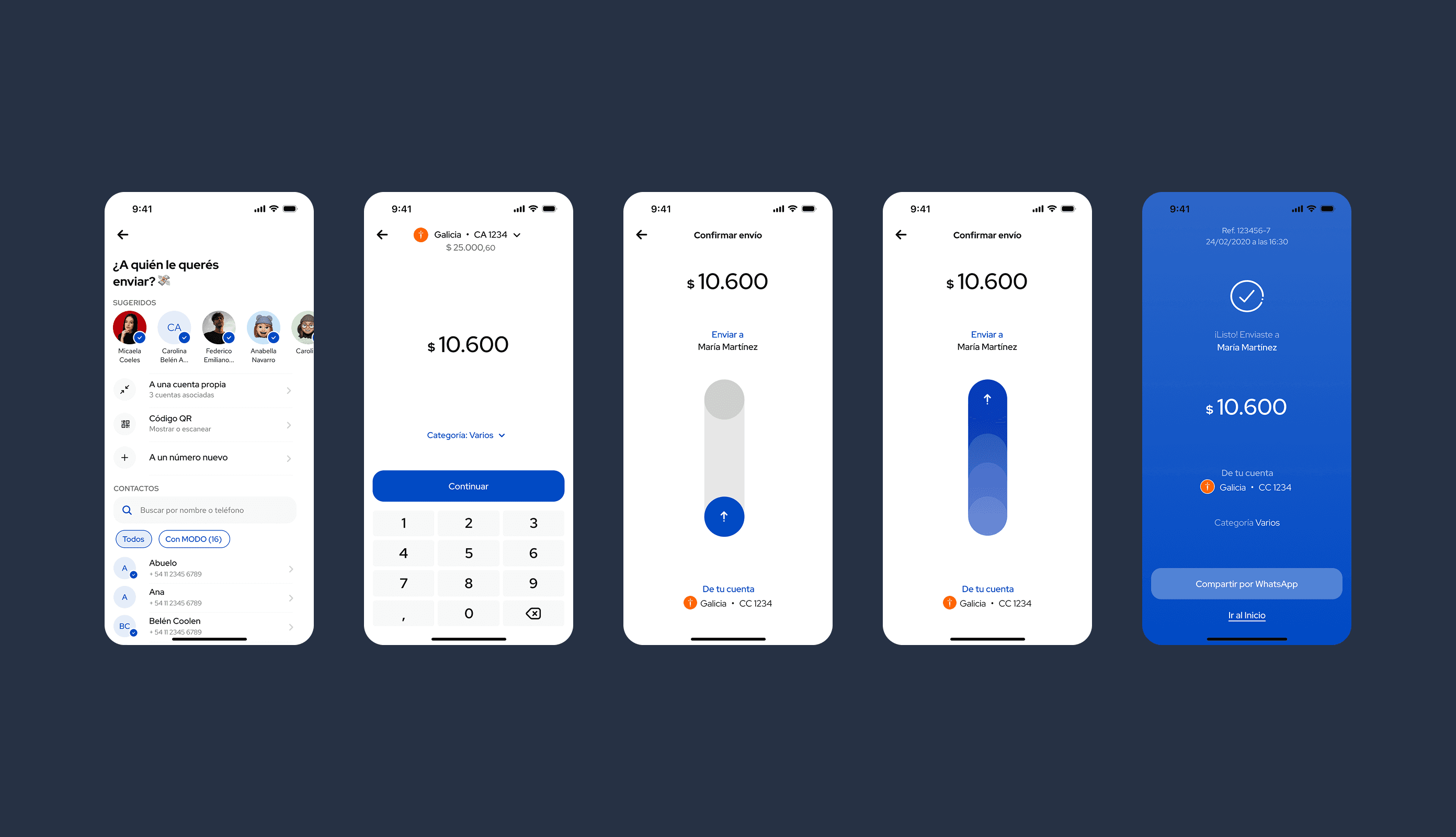
Sending money in MODO only required one thing: the other person's phone number, no bank account details, no extra steps. If they were nearby, a personal QR code made it even faster, both options weren't common in Argentine banking apps at the time. Over time, we iterated on the flow adding features like suggested contacts, filters, and push notifications for received money, each one coming from real friction we observed in how people used it.
Sending money in MODO only required one thing: the other person's phone number, no bank account details, no extra steps. If they were nearby, a personal QR code made it even faster, both options weren't common in Argentine banking apps at the time. Over time, we iterated on the flow adding features like suggested contacts, filters, and push notifications for received money, each one coming from real friction we observed in how people used it.

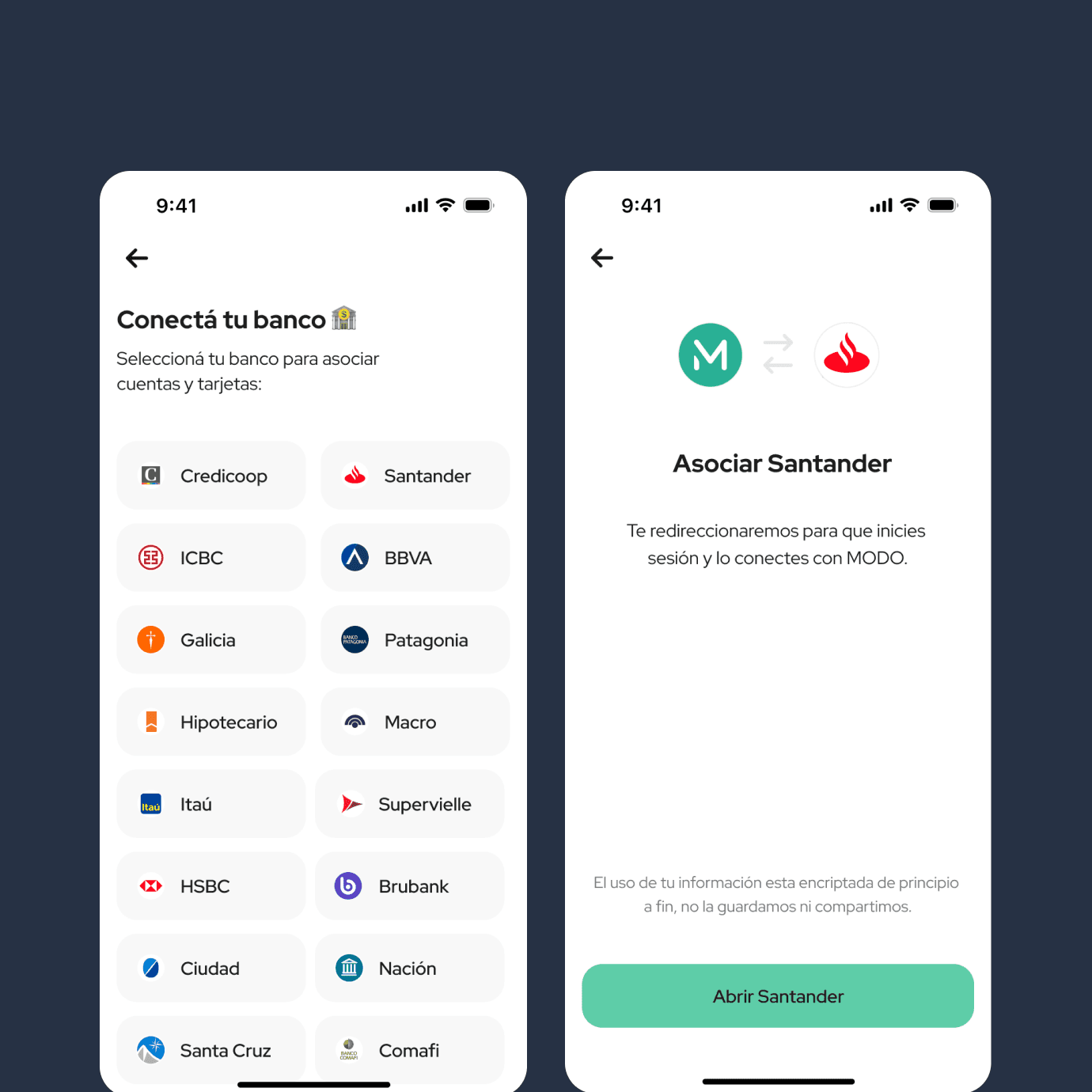
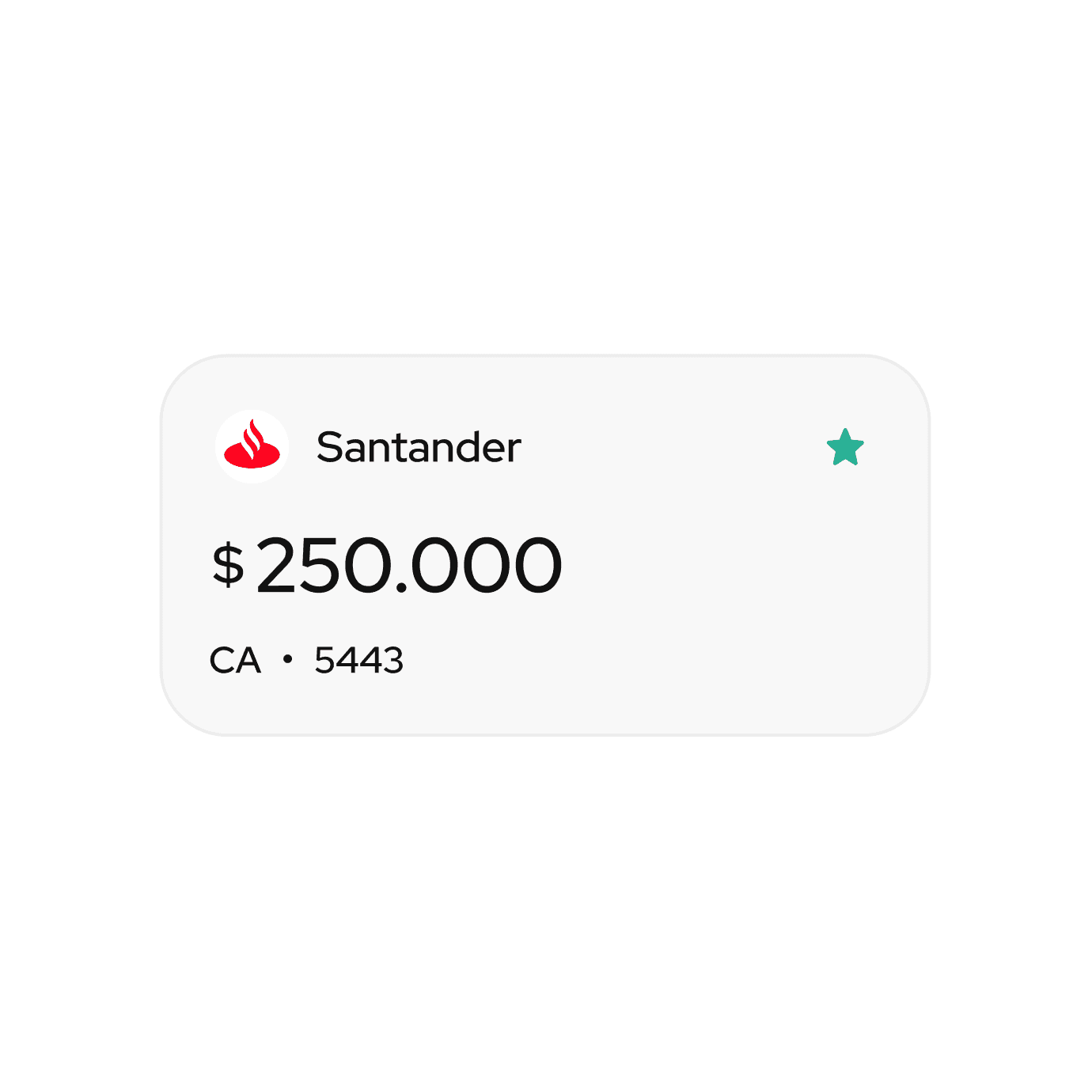
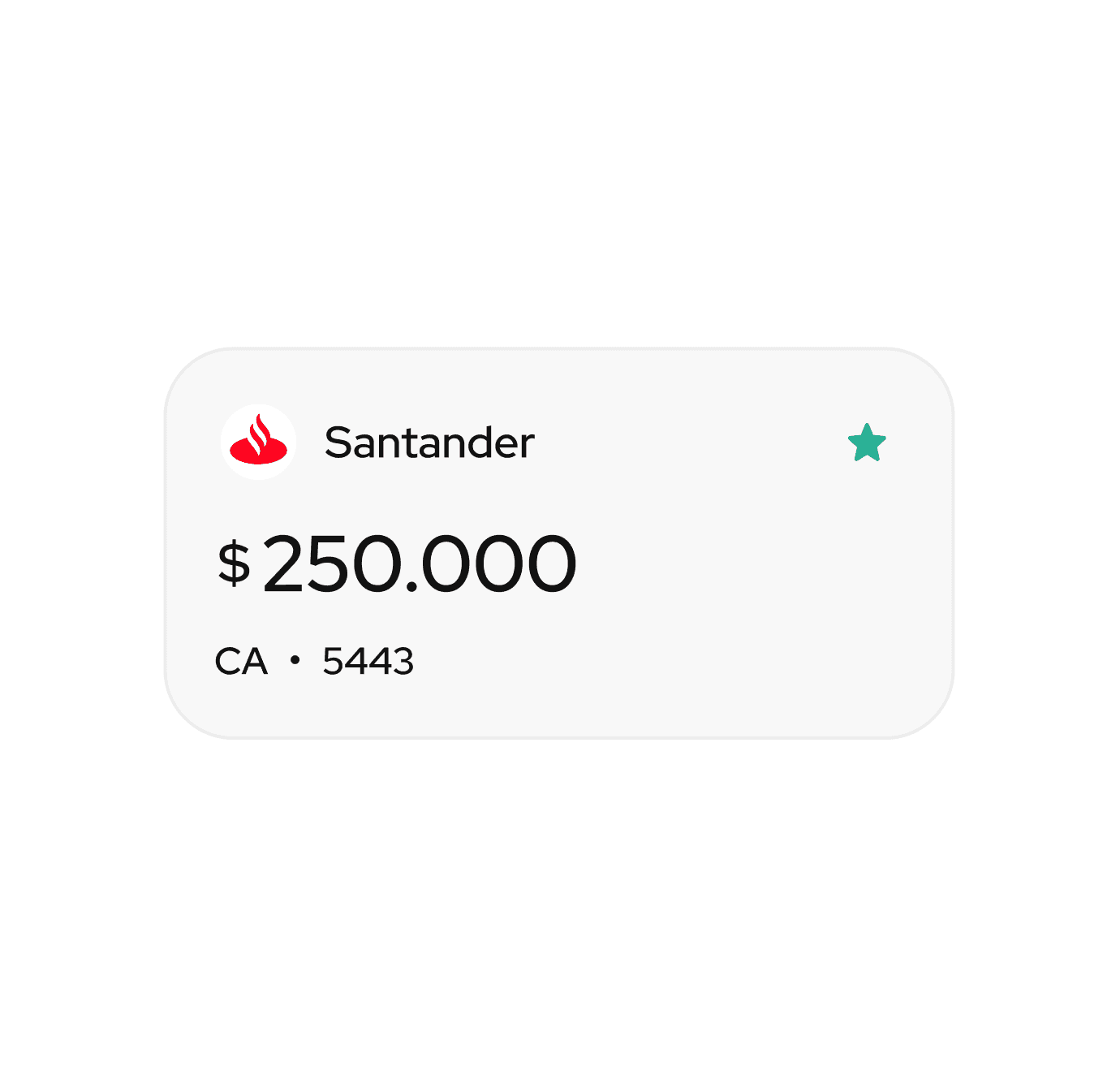
Associate your bank accounts
Associate your bank accounts
Associate your bank accounts
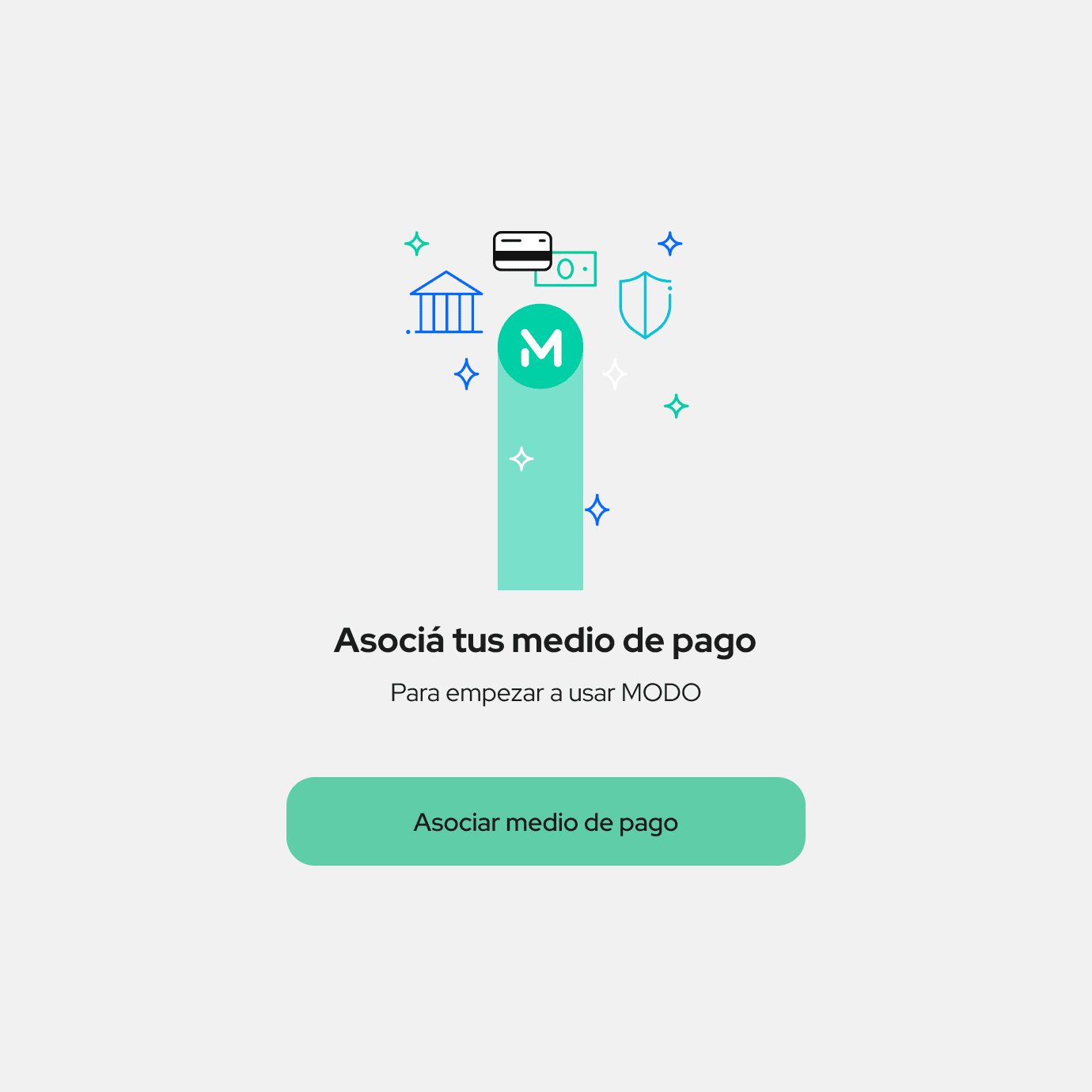
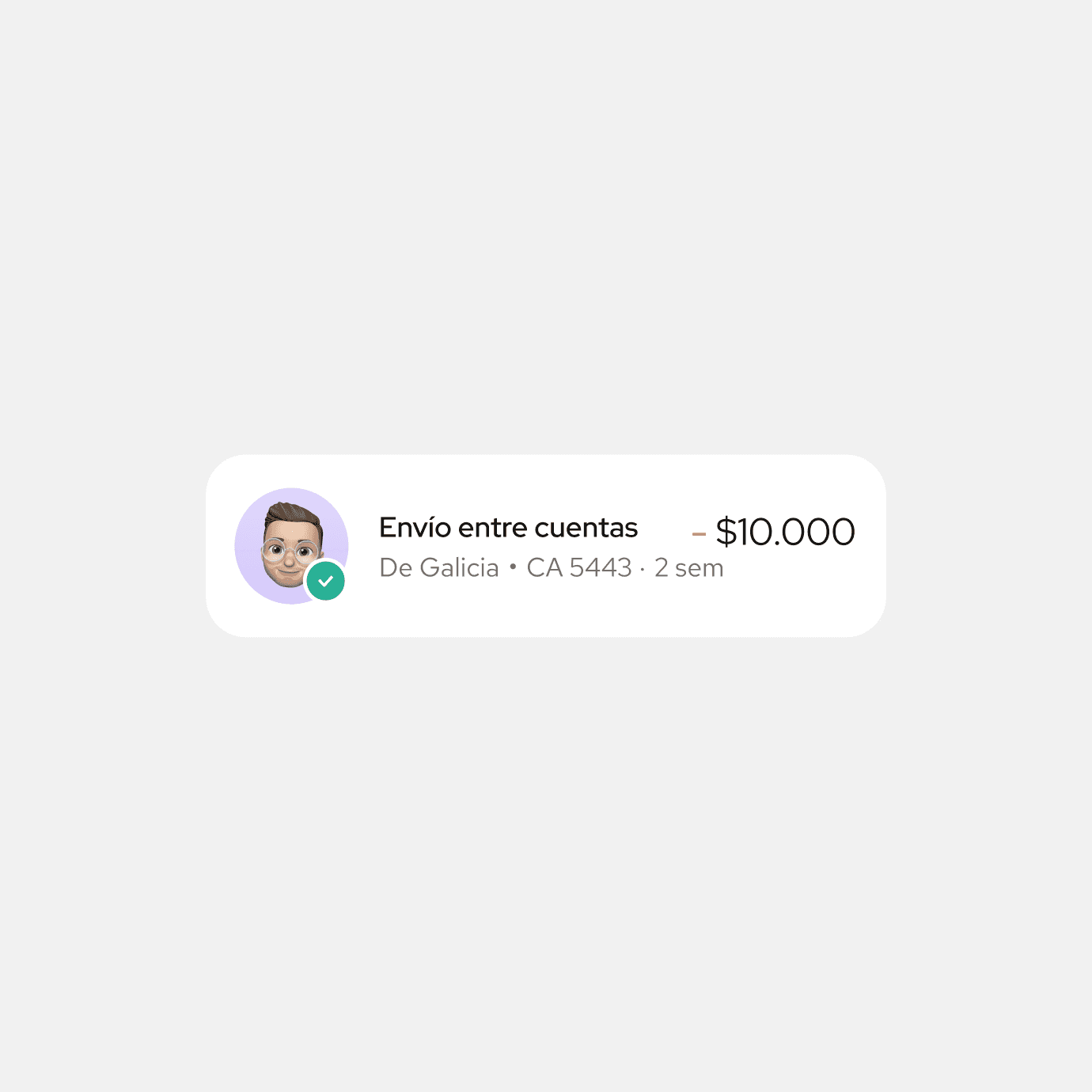
Send money between accounts
Send money between accounts
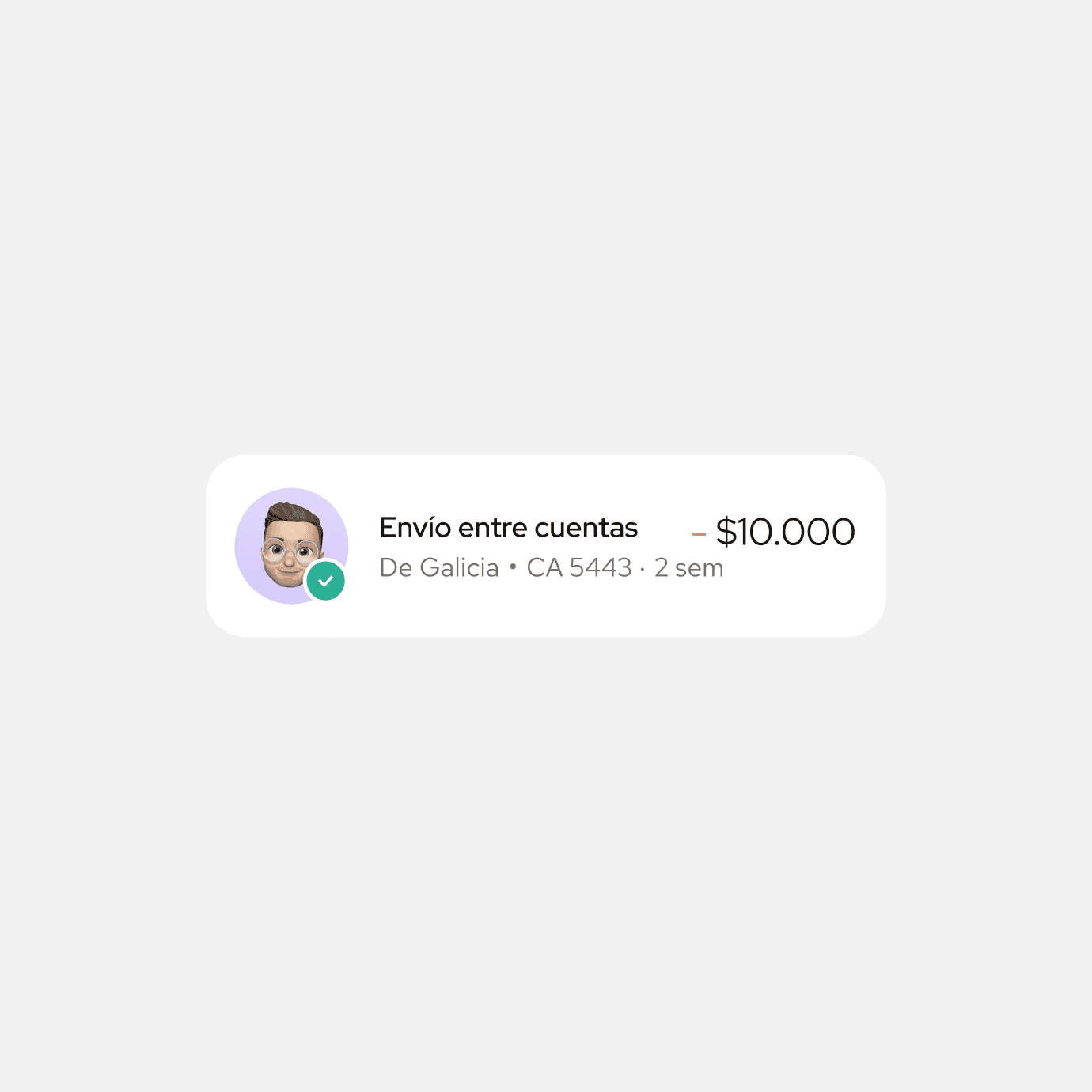
Send money between accounts
Send money between accounts
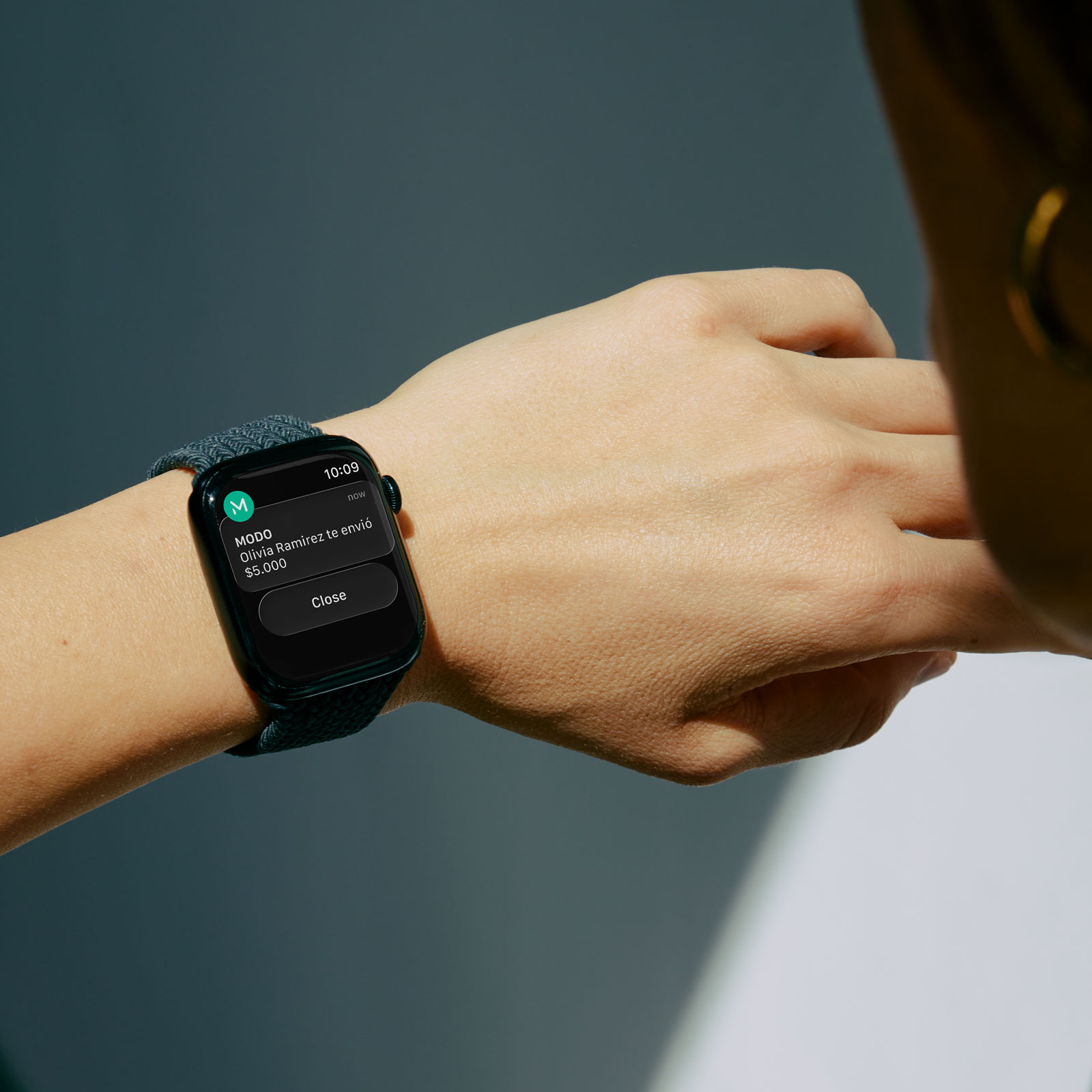
Push notifications
Push notifications
Push notifications

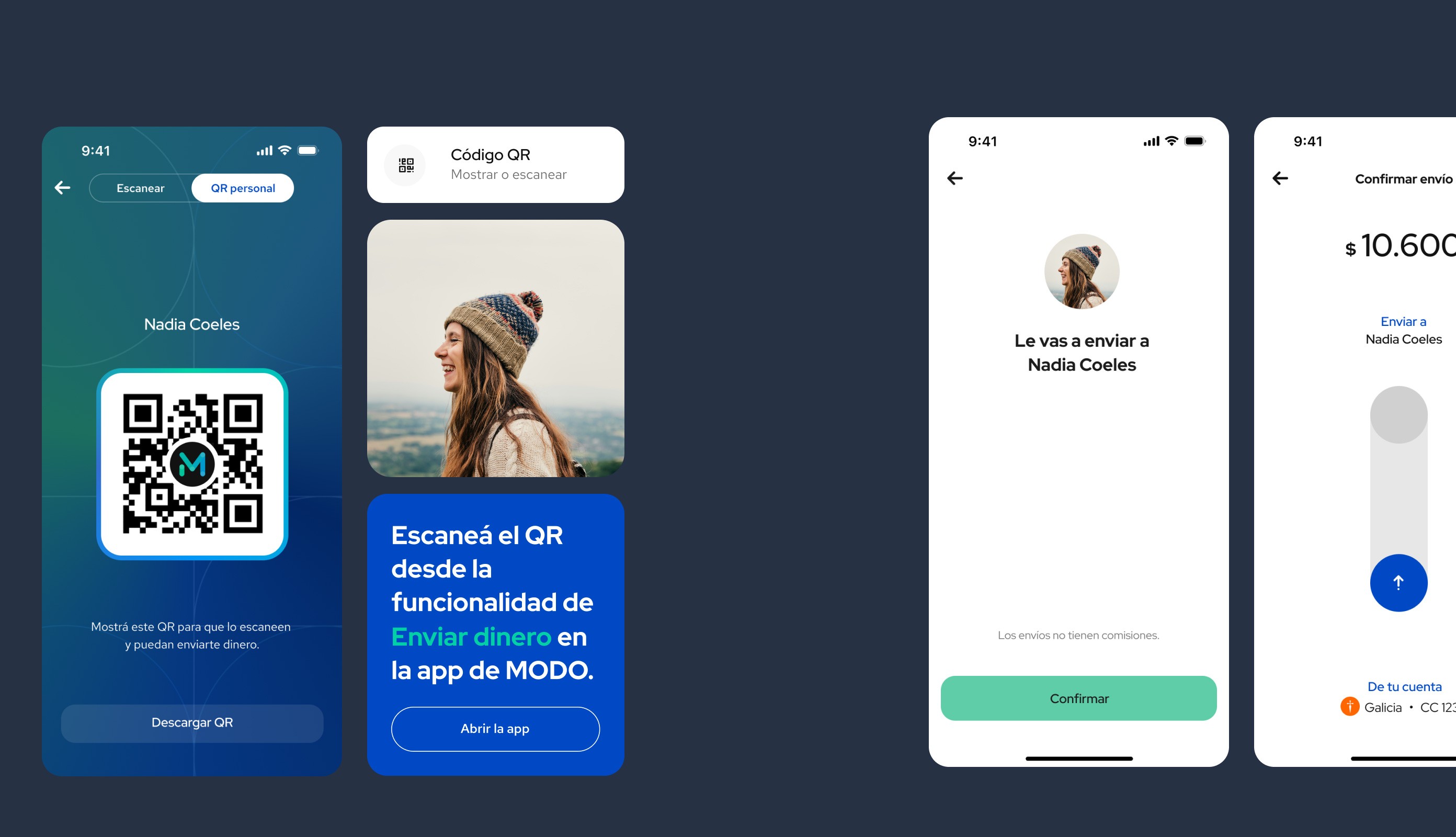
Send and receive money using a personal QR Code
Send and receive money using a personal QR Code
Send and receive money using a personal QR Code
Request money, the other side of the transaction
This flow was thought with situations in mind like splitting the cost after a tennis match, chipping in for a group gift, or settling up after dinner — where nobody wants to chase people or remember exact amounts. The request flow handled that context by letting the sender set the amount and reason, so the other person just had to confirm.
This flow was thought with situations in mind like splitting the cost after a tennis match, chipping in for a group gift, or settling up after dinner — where nobody wants to chase people or remember exact amounts. The request flow handled that context by letting the sender set the amount and reason, so the other person just had to confirm.
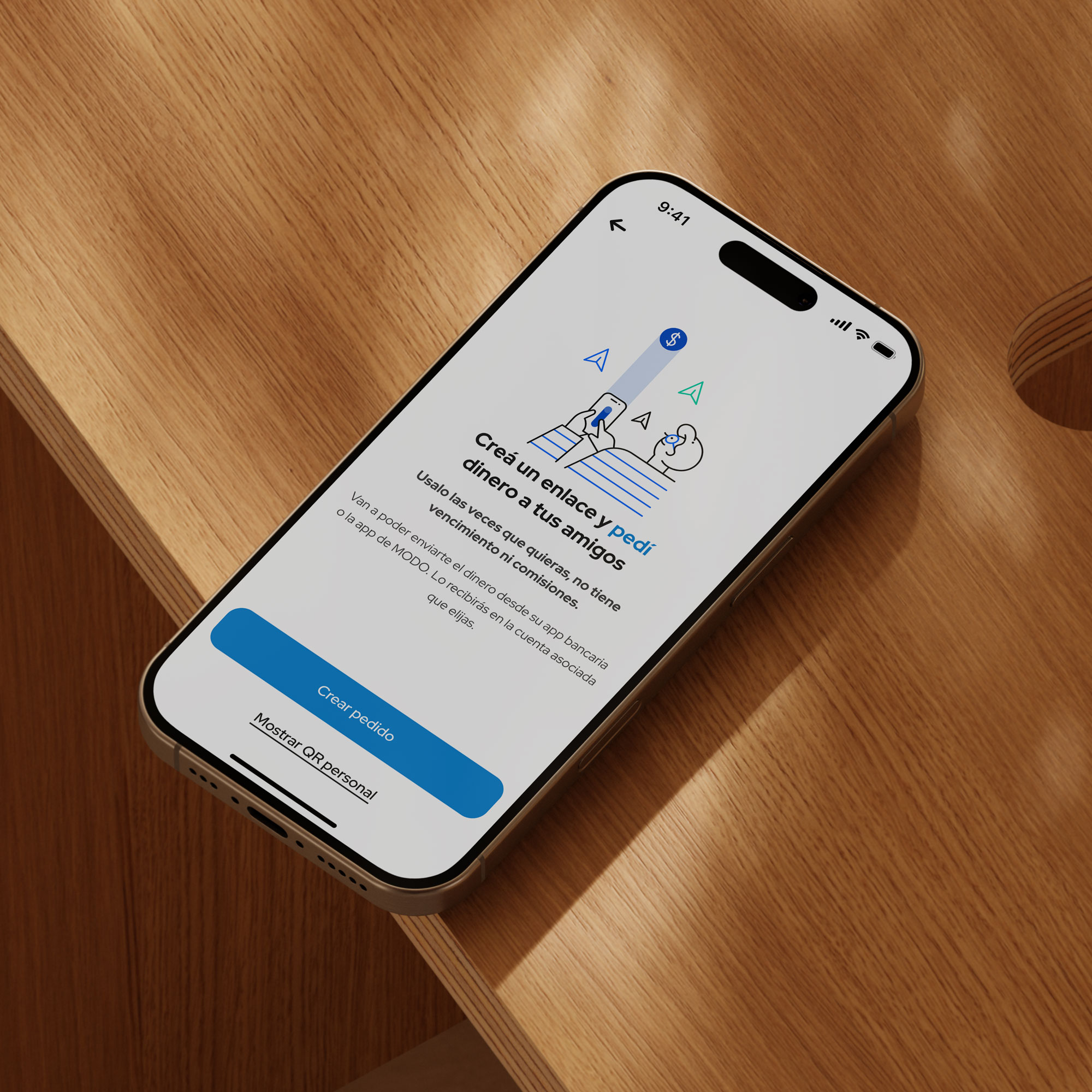

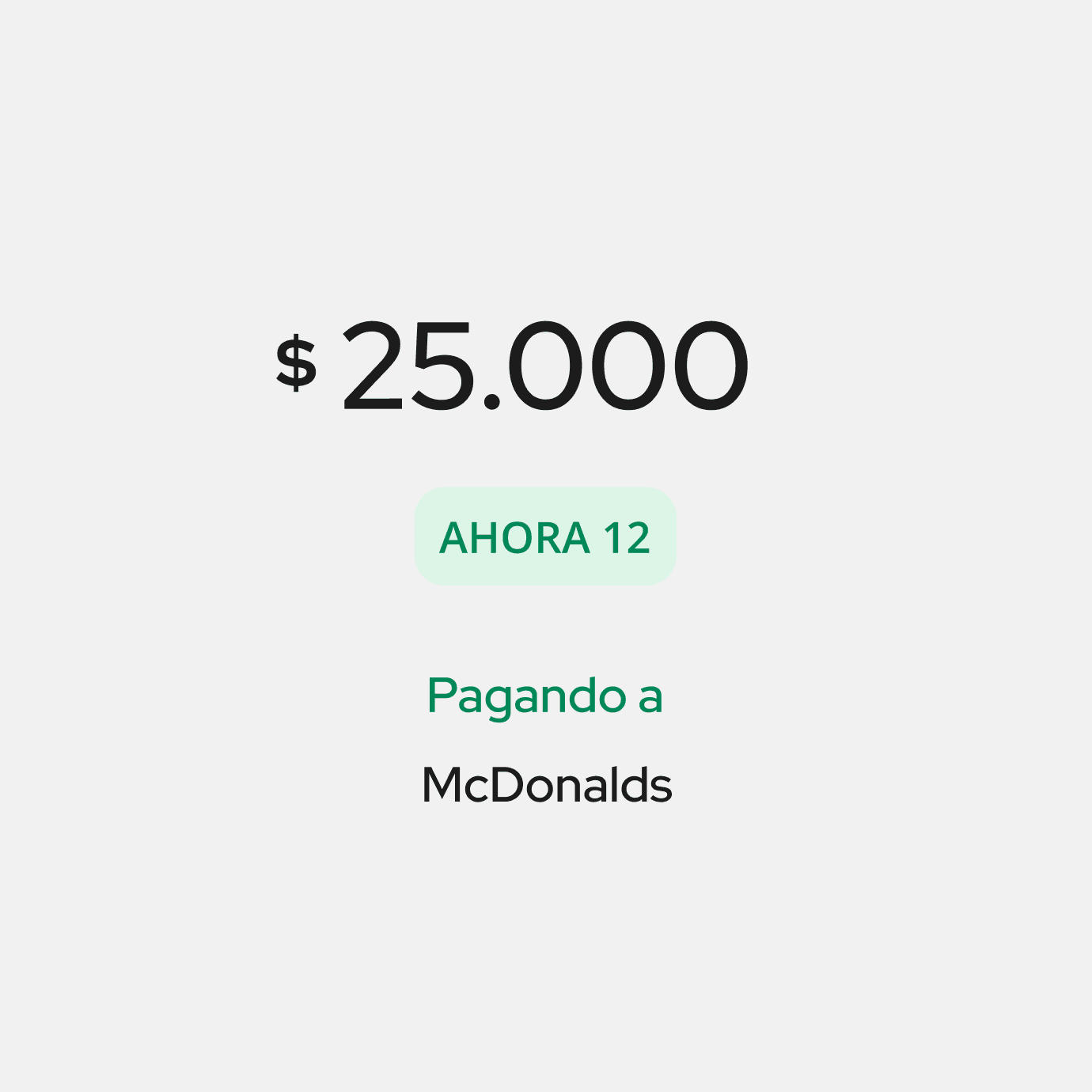
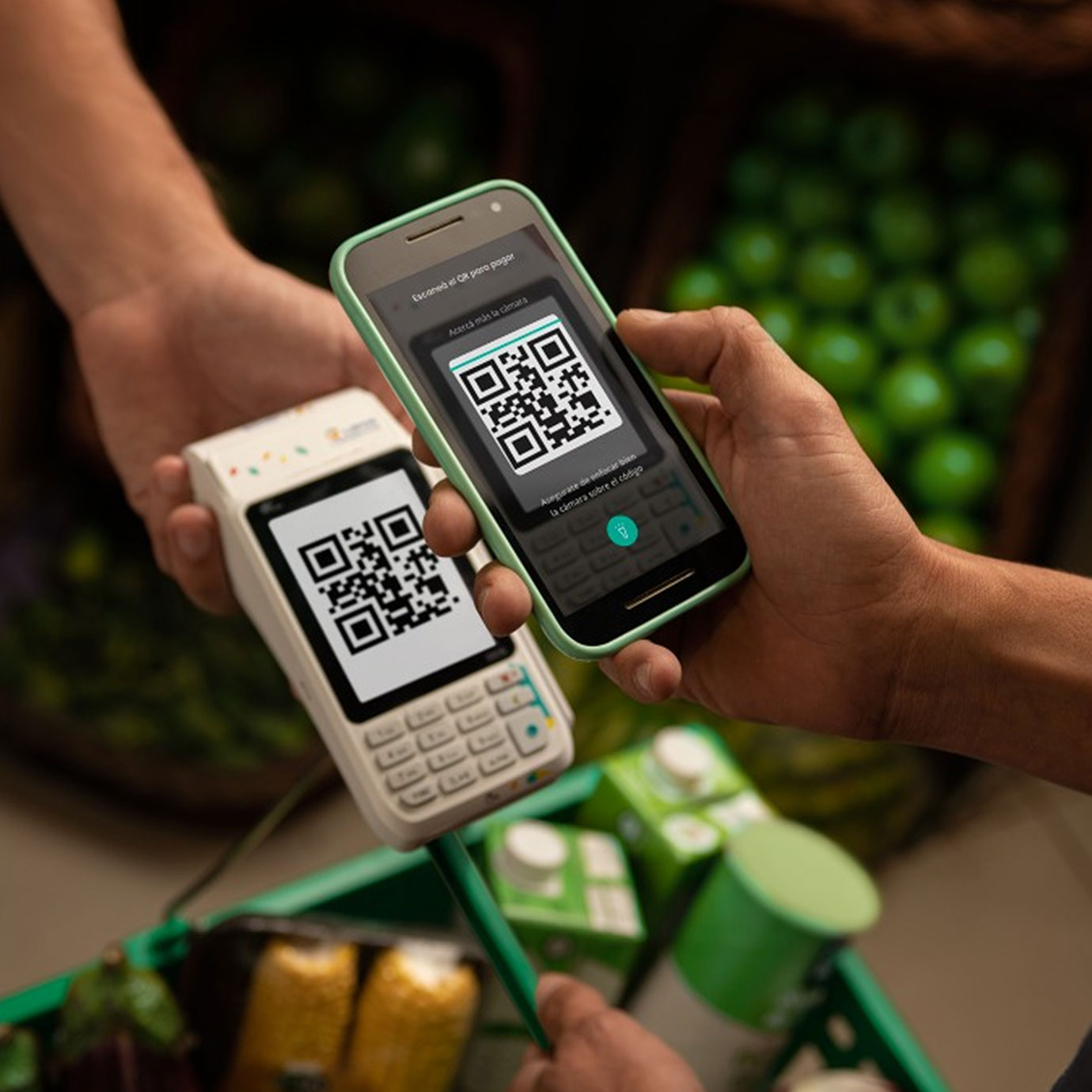
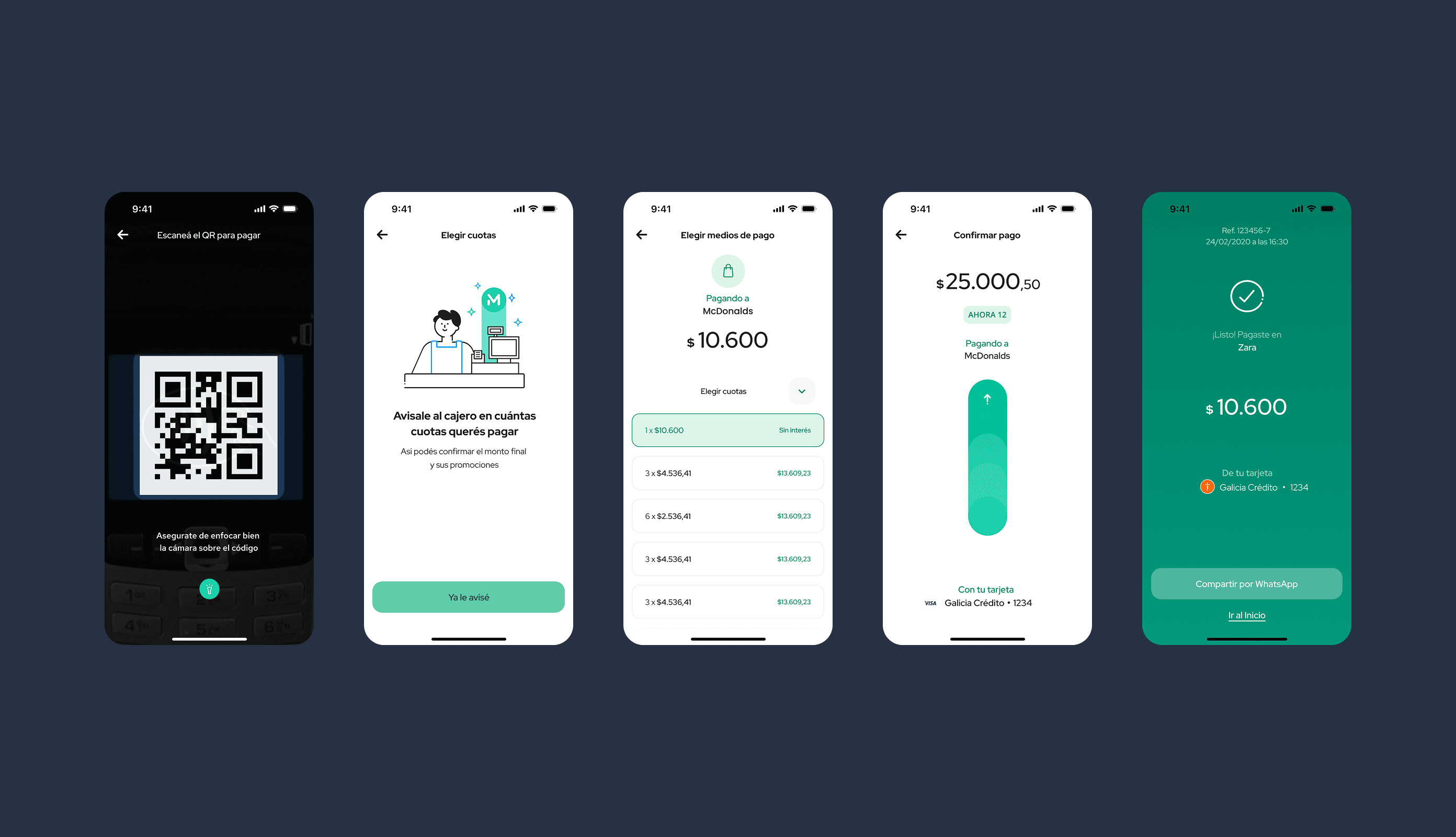
Contributing to merchant payments
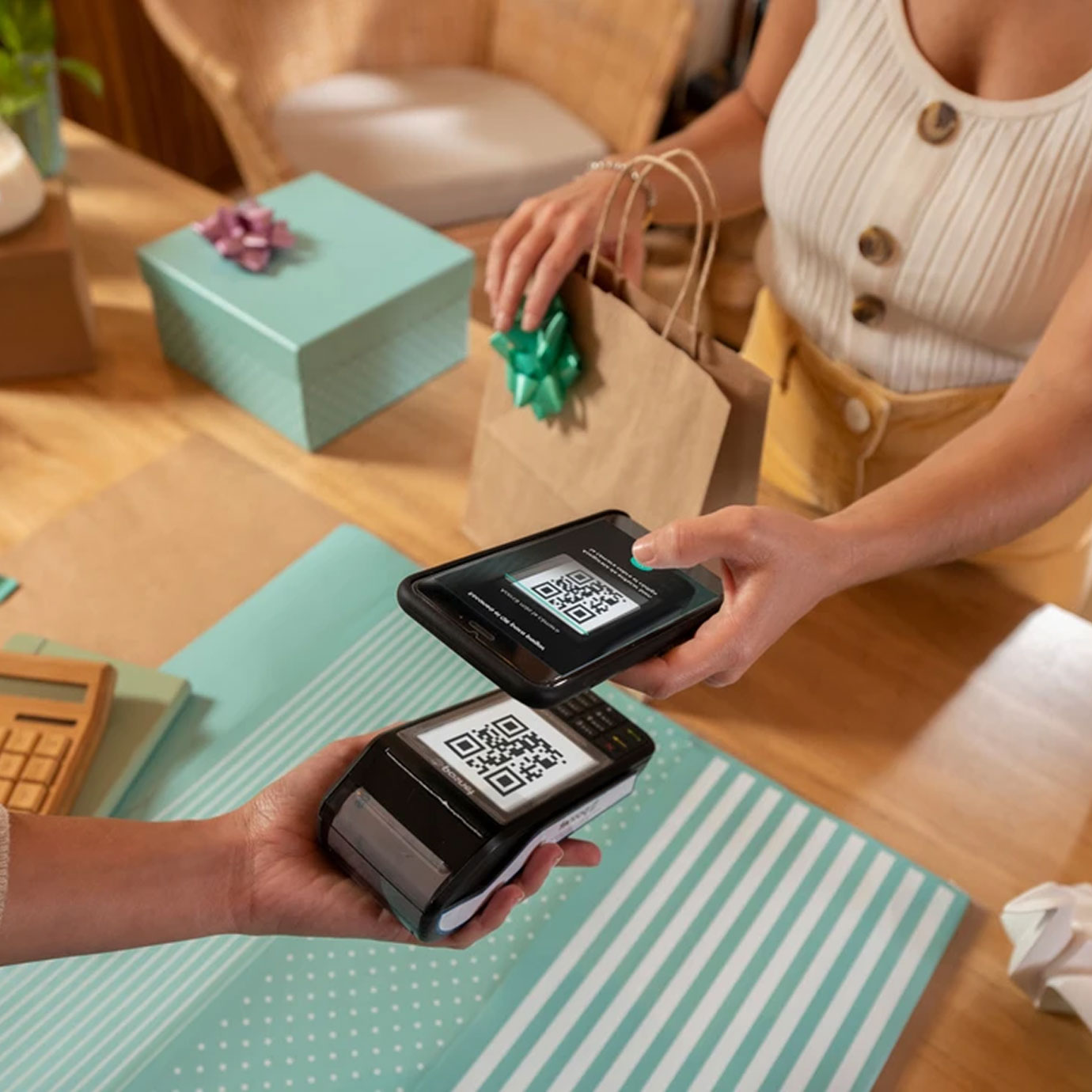
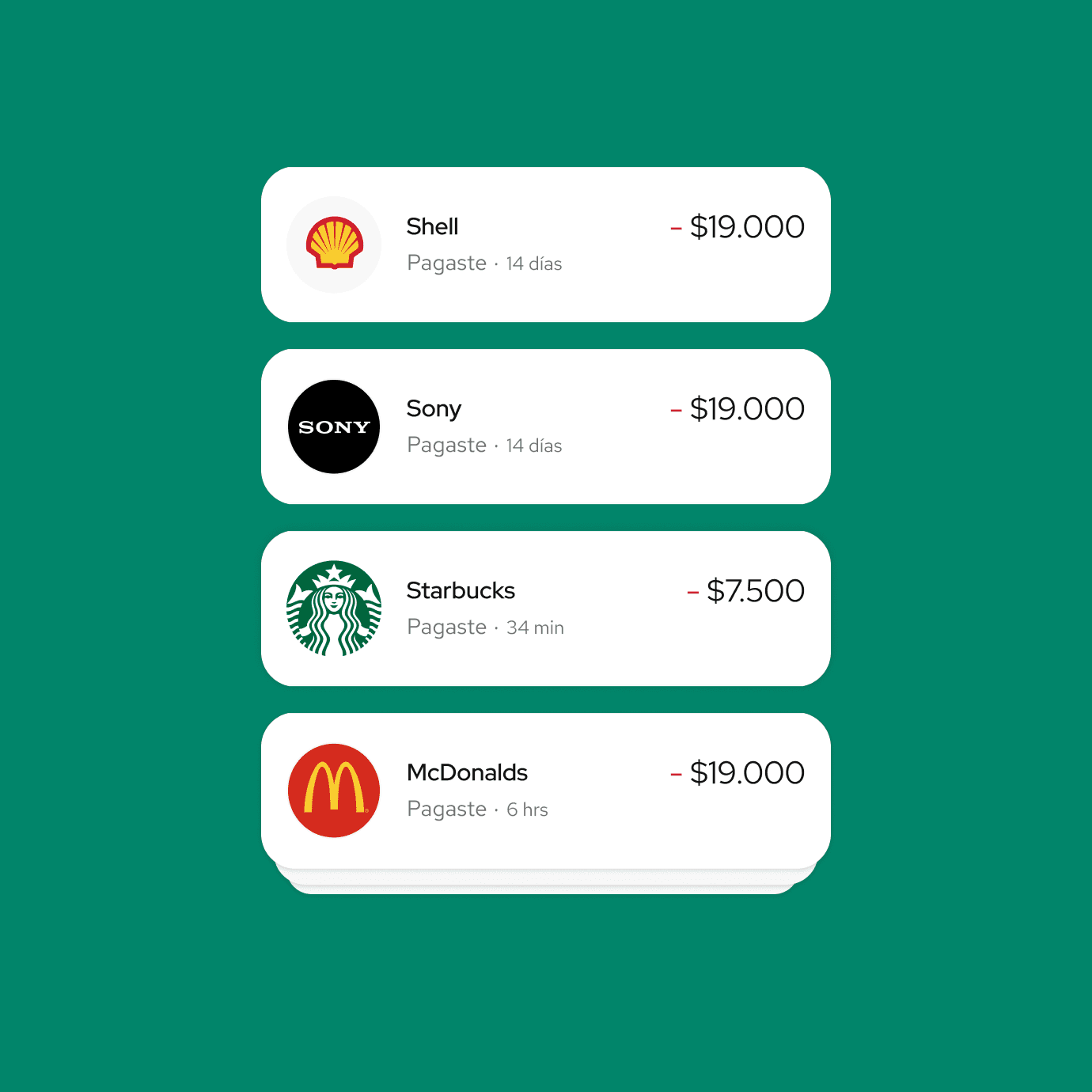
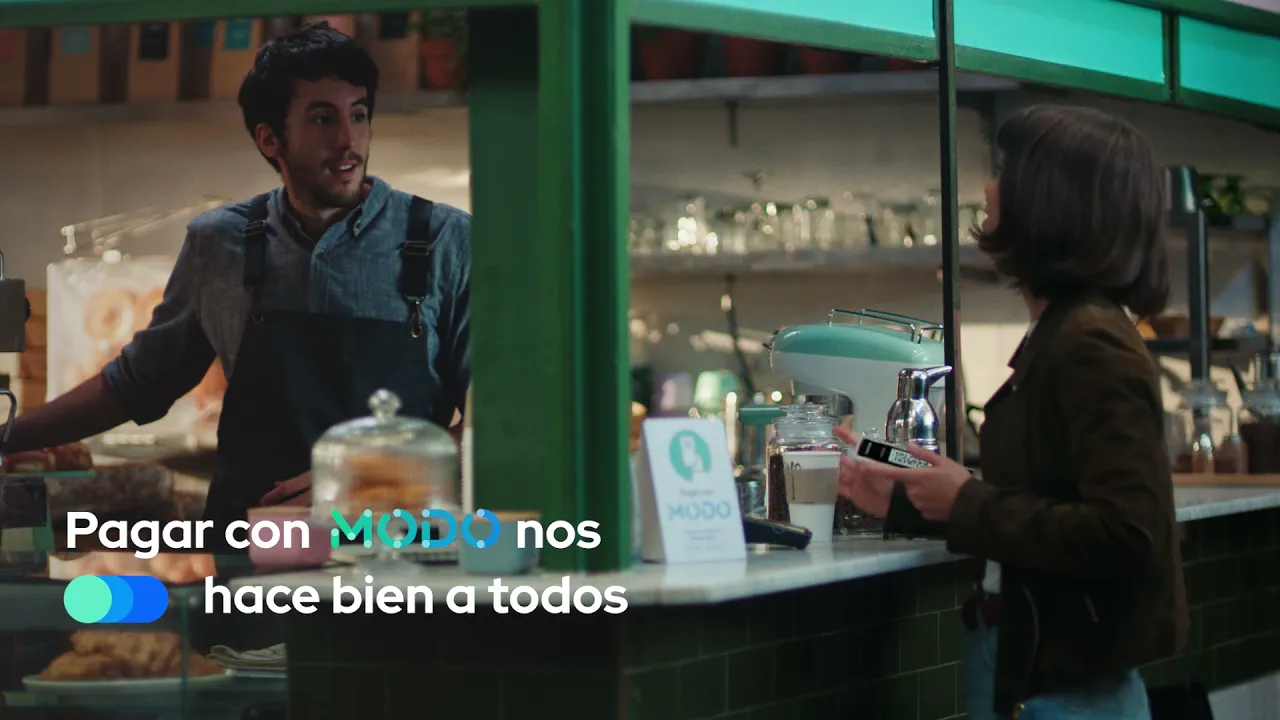
Pay was a collaborative effort, I wasn't the sole owner here, but I contributed to key design decisions around the merchant-facing flow and influenced how we communicated payment confirmation to users. Acceptance at 400K+ merchant locations nationwide meant the interaction had to work across very different contexts: small vendors, large retailers, and everything in between.
Pay was a collaborative effort, I wasn't the sole owner here, but I contributed to key design decisions around the merchant-facing flow and influenced how we communicated payment confirmation to users. Acceptance at 400K+ merchant locations nationwide meant the interaction had to work across very different contexts: small vendors, large retailers, and everything in between.
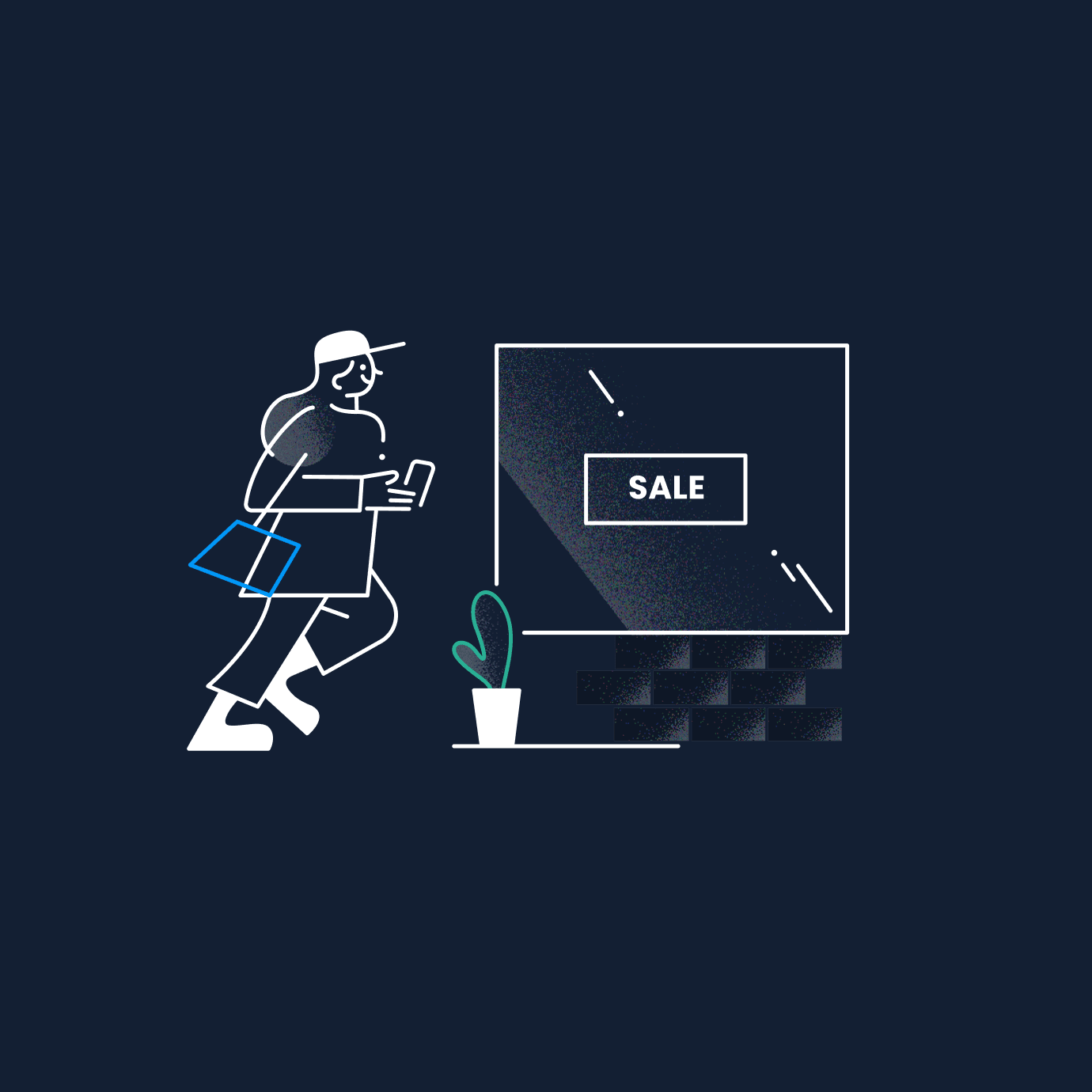
Project details
Team
Three product designers (including me), one UXR, one Head of UX
Duration
~18 months, from 2020 to 2021
My Role
Founding Product Designer — owned P2P transfers end-to-end, contributed to P2M and acquisition flows
What I did
I joined MODO a few months before launch as one of the founding product designers. Early on, I helped define core flows, and after launch, I owned the peer-to-peer transfer experience, one of only two products available to users in the first six months.
3M
users in the
fist 10 months
30+
banks in
the ecosystem
400K+
merchants
locations
nationwide
Read Case Study
In the first six months after launch:
Tripled the number of active P2P users
Increased x3 the transfers executed
Reduced the error rate by 30 percentage points
Improved account linking conversion by 15 percentage points
Integrated 10 new banks into the P2P flow
Shipped suggested contacts, personal QR code, and push notifications for received money
A system that shaped the brand
Weeks before launch, we worked with a creative agency under a tight deadline to redesign the UI — stripping it back to something more minimal and intentional. A set of custom illustrations helped define the tone: warm, approachable, and a little playful.
The swipe gesture used to send money and pay became the product's signature interaction — and the illustrations reinforced it, giving the motion a personality that felt distinctly MODO.
Sending money, without the friction
Sending money in MODO only required one thing: the other person's phone number, no bank account details, no extra steps. If they were nearby, a personal QR code made it even faster, both options weren't common in Argentine banking apps at the time. Over time, we iterated on the flow adding features like suggested contacts, filters, and push notifications for received money, each one coming from real friction we observed in how people used it.
Associate your bank accounts
Send money between accounts
Push notifications
Send and receive money using a personal QR Code
Request money, the other side of the transaction
This flow was thought with situations in mind like splitting the cost after a tennis match, chipping in for a group gift, or settling up after dinner — where nobody wants to chase people or remember exact amounts. The request flow handled that context by letting the sender set the amount and reason, so the other person just had to confirm.
Contributing to merchant payments
Pay was a collaborative effort, I wasn't the sole owner here, but I contributed to key design decisions around the merchant-facing flow and influenced how we communicated payment confirmation to users. Acceptance at 400K+ merchant locations nationwide meant the interaction had to work across very different contexts: small vendors, large retailers, and everything in between.
Project details
Team
Three product designers (including me), one UXR, one Head of UX
Duration
~18 months, from 2020 to 2021
My Role
Founding Product Designer — owned P2P transfers end-to-end, contributed to P2M and acquisition flows